Top Ad 728x90

Sunday, May 31, 2026

Cousin Martha throws these 3 ingredients together before church

by

This is the kind of church-basement classic that shows up in a clear glass casserole dish and disappears before the potluck line has even formed. My cousin Martha has been tossing these three ingredients together before Sunday service for years, sliding the pan into the freezer on her way out the door. By the time everyone’s back home, the cranberry-pineapple mixture has set into a tart, sweet, frosty salad that walks the line between side dish and dessert. It leans on pantry-friendly staples—whole berry cranberry sauce, crushed pineapple, and whipped topping—so it’s easy to keep everything on hand for holidays, family dinners, or any time you want something nostalgic and entirely addictive.

Serve this frozen cranberry pineapple salad in chilled squares scooped from the glass casserole dish, so you can see the rich pinkish-red color against the sides. It’s especially good alongside roast turkey, ham, or a simple baked chicken, where its tart sweetness cuts through the richness of the main dish. For a more casual setting, pair it with grilled pork chops or a pot of chili as a cool, bright contrast. You can also treat it like a light dessert and serve small portions after a heavier meal, maybe with a few salty nuts or buttery shortbread on the side to play up the sweet-tart flavors.

Frozen Cranberry Pineapple Salad

Servings: 8-10


Ingredients

1 can (14 ounces) whole berry cranberry sauce, chilled if possible

1 can (20 ounces) crushed pineapple in juice, well drained

1 tub (8 ounces) frozen whipped topping, thawed

Directions

Clear space in your freezer for a shallow glass casserole dish (an 8x8-inch or similar size works well), so you can slide it in quickly once the mixture is ready.

Place the whole berry cranberry sauce in a medium mixing bowl. Using a spoon or spatula, break it up gently so the berries and gel are evenly distributed and no large clumps remain.

Add the well-drained crushed pineapple to the cranberry sauce. Stir until the fruit is thoroughly combined and you see an even mix of berries and pineapple throughout.

Fold in the thawed whipped topping. Start by adding about half, gently lifting and turning the mixture rather than stirring vigorously, then add the rest and continue folding until the color is a uniform pinkish red and no streaks of white remain.

Pour the mixture into a clear glass casserole dish, smoothing the top with a spatula so it’s level and reaches into the corners. The mixture should look thick, glossy, and evenly pink.

Place the dish in the freezer, uncovered, and freeze for about 2 to 3 hours, or until the salad is firm around the edges with a softly frozen center that gives slightly when pressed with a spoon.

Once set, you can cover the dish with plastic wrap or a lid to prevent ice crystals if you’re holding it longer. For serving, let the salad sit at room temperature for 5 to 10 minutes to soften slightly, then scoop or cut into squares and serve directly from the glass dish.

Return any leftovers to the freezer, covered. Let soften briefly before serving again so the texture stays creamy rather than icy.

Variations & Tips

For a slightly tangier version, stir in a tablespoon or two of orange juice or finely grated orange zest along with the cranberry sauce and pineapple; it brightens the flavor without adding extra ingredients to the shopping list. If you like more texture, you can fold in a small handful of chopped toasted pecans or walnuts before freezing, which plays nicely against the smooth, creamy base. To make individual servings, divide the mixture among clear glass ramekins or small jars before freezing; they’ll set a bit faster and look pretty on a dessert tray. If your freezer runs very cold and the salad becomes too firm, just let it rest on the counter for 10 to 15 minutes before serving so it returns to that ideal soft-frozen, spoonable texture. And if you prefer a slightly lighter feel, you can use a light or extra-creamy whipped topping—just keep the volume the same so the salad freezes to the right consistency.

Saturday, May 30, 2026

My aunt brought a fresh batch

by


 These southern 4-ingredient sweet corn fritters are the kind of thing that disappears before the plate even hits the picnic table. They’re crisp and golden on the outside, tender with juicy corn kernels inside, and just sweet enough to feel like a little summer treat. This is a pared-down, homey version of the corn fritters you’ll find at church potlucks and family cookouts all over the South—no fuss, no fancy ingredients, just a quick batter and a skillet of hot oil.

If you’ve got fresh sweet corn and a few pantry basics, you can have a pile of these on the table in about 20 minutes.

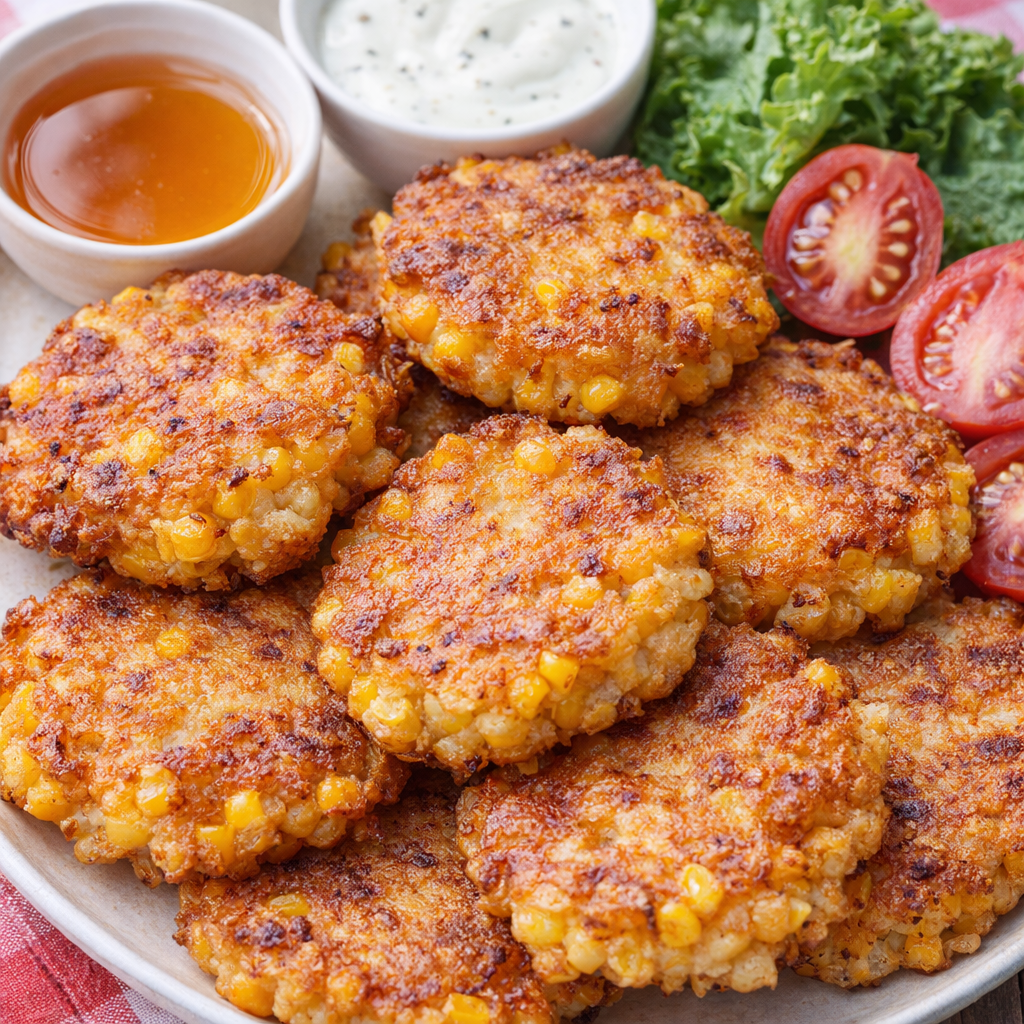
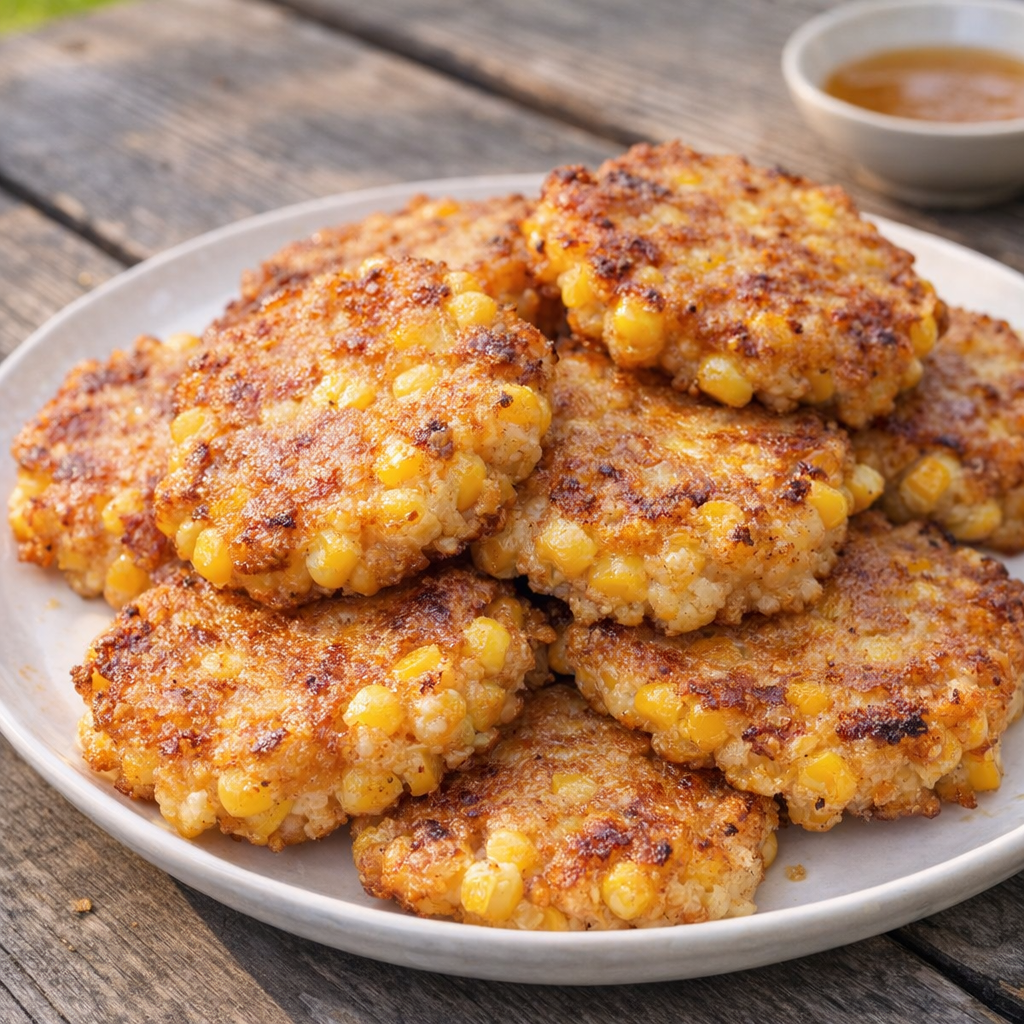
Golden sweet corn fritters stacked on a white plate

Serve these sweet corn fritters hot, piled onto a simple white plate so that crispy golden edges and bright yellow kernels really show off. They’re perfect alongside grilled burgers, barbecue chicken, or pulled pork, and they make a fun swap for cornbread with chili or baked beans.

For dipping, set out a little dish of honey or warm maple syrup for the kids, and maybe a tangy ranch or chipotle mayo for the grown-ups. A crisp green salad or sliced garden tomatoes on the side helps balance the richness, and if you’re feeding a crowd, keep batches warm in a low oven so people can grab them as they come out of the skillet.

Southern 4-Ingredient Sweet Corn Fritters
Servings: 4–6

Ingredients
2 cups fresh sweet corn kernels (about 3–4 ears, cut from the cob; thawed frozen corn works too)
3/4 cup self-rising flour
2 large eggs, lightly beaten
1/3 cup granulated sugar (use 1/4 cup if your corn is very sweet)
Directions
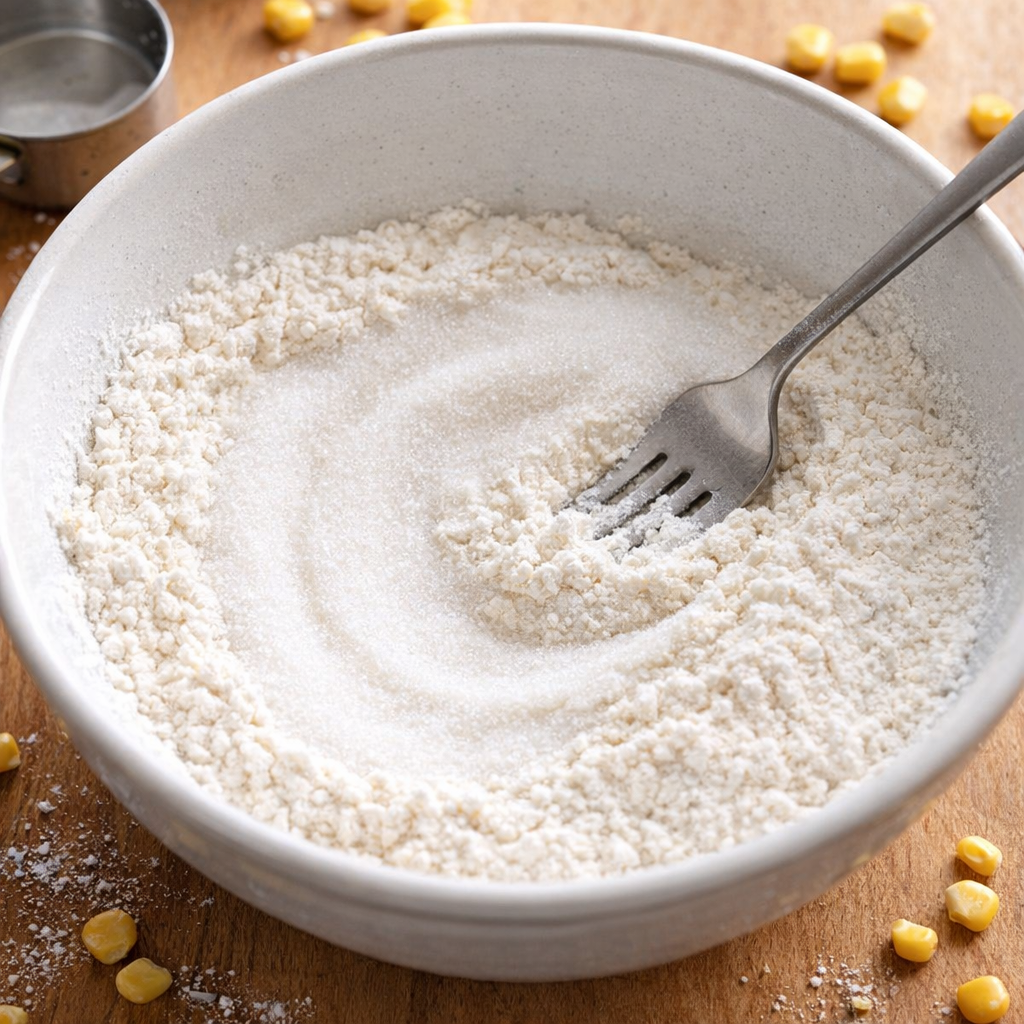
In a medium mixing bowl, stir together the self-rising flour and granulated sugar until well combined. This helps the sugar distribute evenly so you don’t get any overly sweet spots.
Flour and sugar being mixed in a kitchen bowl
Add the lightly beaten eggs to the flour mixture and stir with a fork or spatula until a thick, sticky batter forms. It will look a bit shaggy at first but will smooth out as you keep stirring.
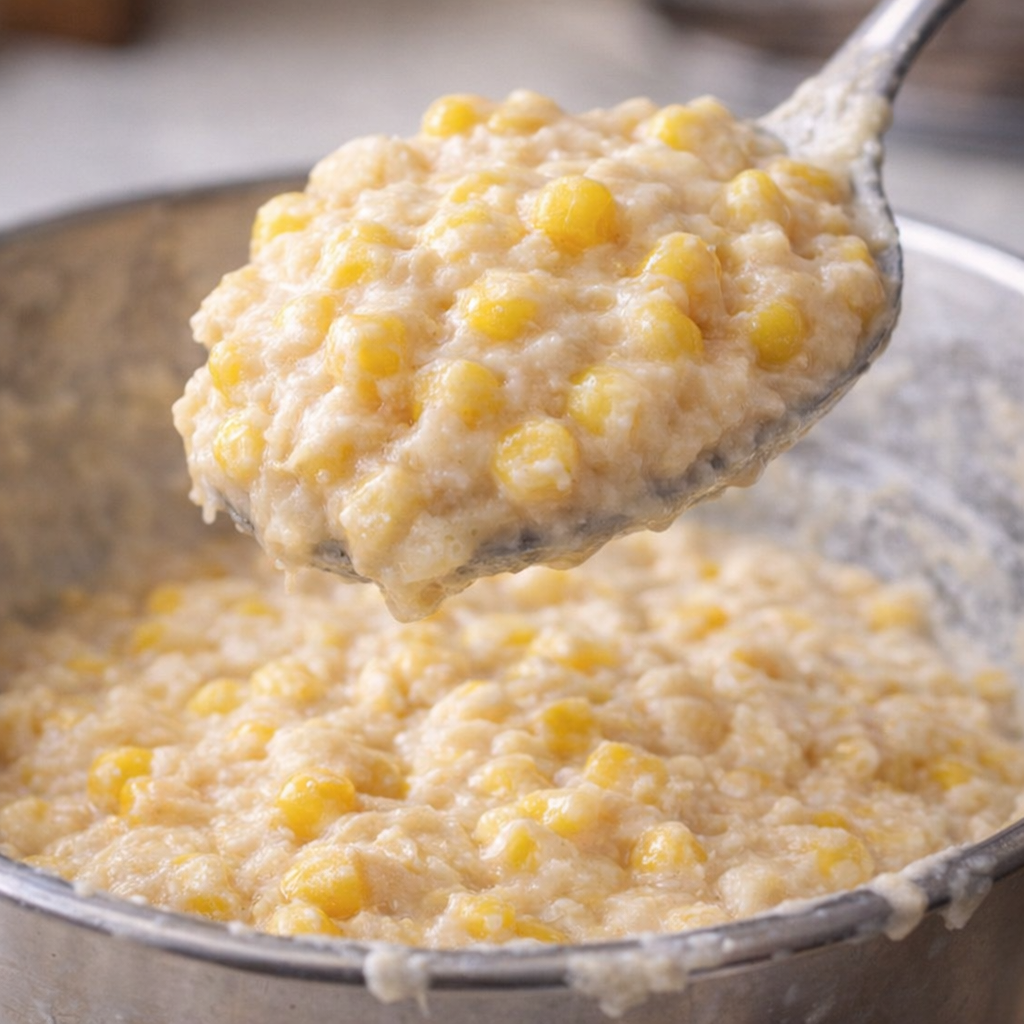
Fold in the sweet corn kernels until they are evenly coated and every scoop of batter has plenty of visible corn. The mixture should be thick enough to hold a soft mound on a spoon; if it seems too dry, add a teaspoon or two of water, and if it’s too runny, sprinkle in a bit more self-rising flour.
Thick corn fritter batter in a spoon over the bowl
Pour about 1/4 inch of neutral oil (such as vegetable or canola) into a large skillet and set it over medium to medium-high heat. Let the oil heat until a small drop of batter sizzles gently on contact. If it smokes, the oil is too hot—turn the heat down slightly.
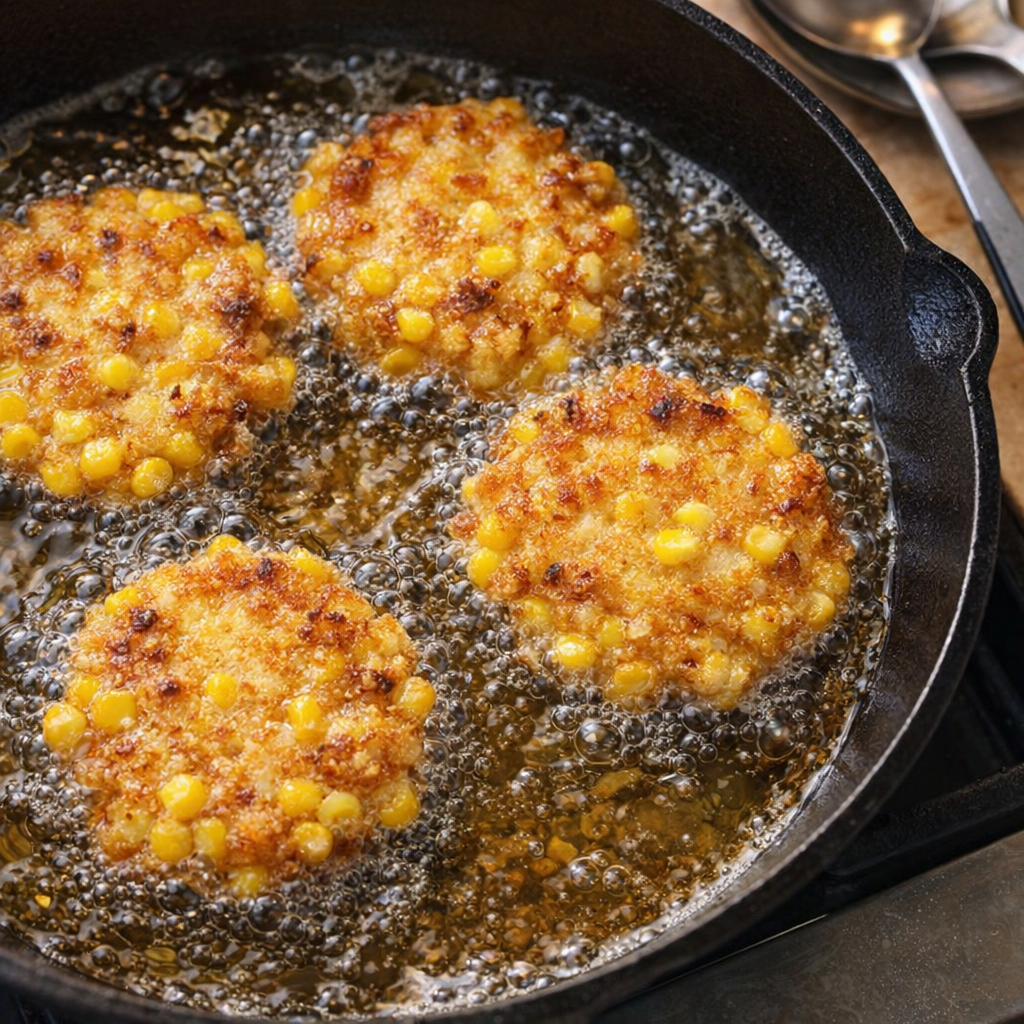
Working in batches to avoid crowding the pan, carefully drop heaping tablespoons of the batter into the hot oil, using a second spoon to gently push the batter off if needed. Lightly flatten each mound with the back of the spoon so it’s about 1/2 inch thick; this helps them cook through and get those pretty, crispy edges.
Corn fritters frying in a skillet
Fry the fritters for 2–3 minutes on the first side, until the bottoms are deep golden brown and the edges look set and crisp. Flip gently with a spatula or tongs and cook another 2–3 minutes on the second side, until both sides are golden and the centers feel firm when lightly pressed.
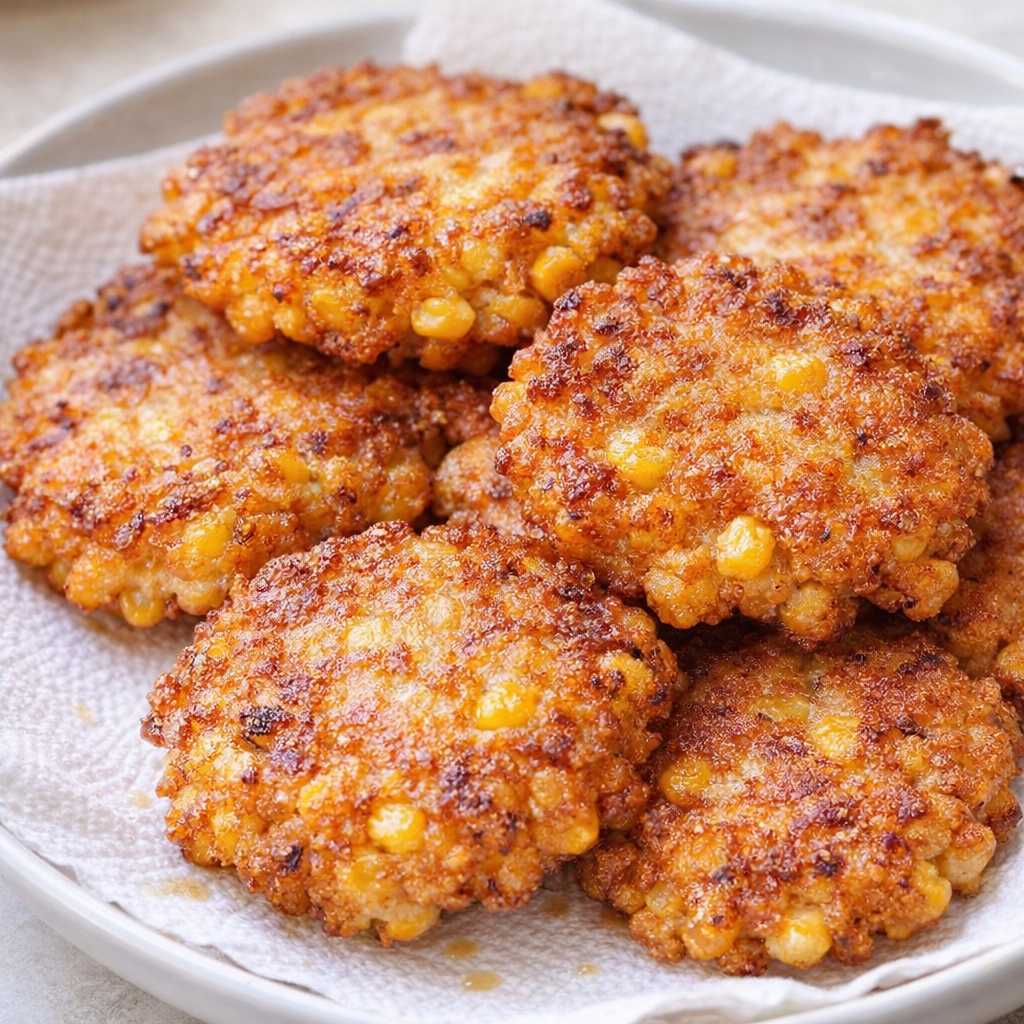
Transfer the cooked fritters to a plate lined with paper towels to drain off excess oil. Continue frying the remaining batter, adjusting the heat as needed so the oil stays hot but not smoking. If the fritters are browning too fast on the outside before the centers cook through, lower the heat slightly.
Freshly fried corn fritters draining on paper towels
Serve the fritters right away while they’re hot and crispy. If you’re making them for a cookout or family gathering, you can keep finished fritters on a wire rack set over a baking sheet in a 200°F (95°C) oven so they stay warm and crisp while you fry the rest.
Variations & Tips

If you don’t have self-rising flour, you can make your own by using 3/4 cup all-purpose flour, 1 1/8 teaspoons baking powder, and 1/4 teaspoon fine salt (this keeps you at four ingredients total). For extra corn flavor, use corn flour for part of the self-rising flour, but keep an eye on the texture so the batter doesn’t get too dry.

If your kids like things less sweet, reduce the sugar slightly, or if they love a treat, drizzle the finished fritters with honey or maple syrup. For a more savory version that still feels family-friendly, you can serve them with seasoned sour cream or ranch on the side instead of mixing anything into the batter, which keeps the ingredient list simple.

Corn fritters served with honey and ranch dips

These fritters work with fresh, canned (well-drained), or thawed frozen corn; just make sure to pat canned or thawed corn dry with a clean towel so excess moisture doesn’t make the oil splatter.

Food safety tips: Use a heavy, stable skillet and keep hot oil at a moderate temperature—around 350°F (175°C) if you have a thermometer. Never fill the skillet more than about one-third full of oil. Keep kids and pets away from the stove while frying, and turn pan handles inward. Use a slotted spoon or tongs to remove fritters, and let them cool for a minute or two before serving to little ones so they don’t burn their mouths. Refrigerate leftovers within two hours in a shallow container, and reheat in a 350°F (175°C) oven or air fryer until hot and crisp again; avoid reheating in a microwave if you want to keep the edges crunchy.

Party classic': Just 3 ingredients

by

Cherry cheesecake bars feel like every church potluck and family reunion I grew up with here in the Midwest, all wrapped into one pan. They’ve got that classic creamy cheesecake layer, a buttery crust, and sweet cherry pie topping—but with only three ingredients and hardly any fuss. This is the kind of dessert you can throw together on a busy weeknight or when the kids announce at 8 p.m. that they promised to bring a treat to school tomorrow.

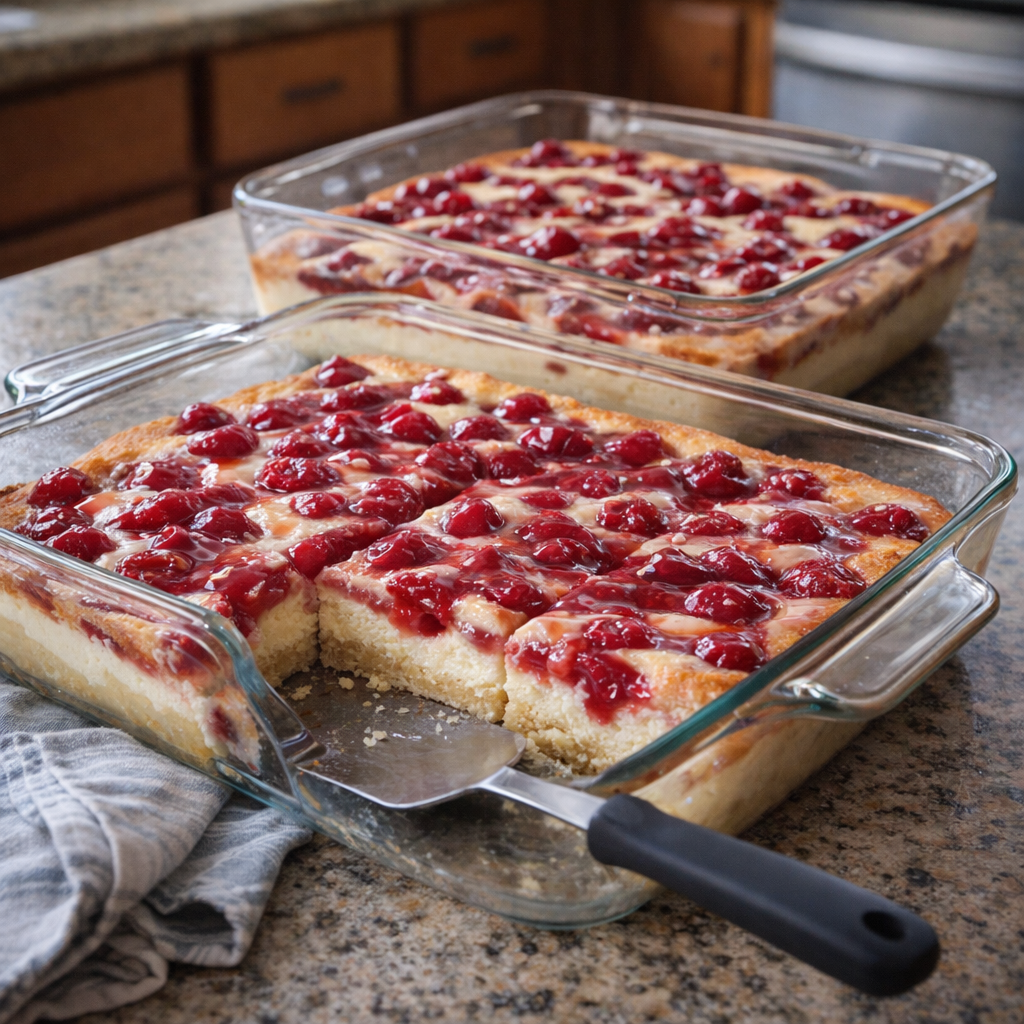
Baked in two glass dishes, they’re perfect for sharing: one for home and one for a neighbor, a teacher, or the next get-together. It’s simple, cozy baking that still feels special when you set it on the table.

Cherry cheesecake bars in glass baking dishes on a kitchen counter

These cherry cheesecake bars are rich and creamy, so they pair nicely with lighter sides. I like to serve them after a simple supper—think grilled chicken, a big green salad, or a pot of soup with crusty bread. For a family gathering, you can set them out alongside a fresh fruit salad or a bowl of berries to balance the sweetness.

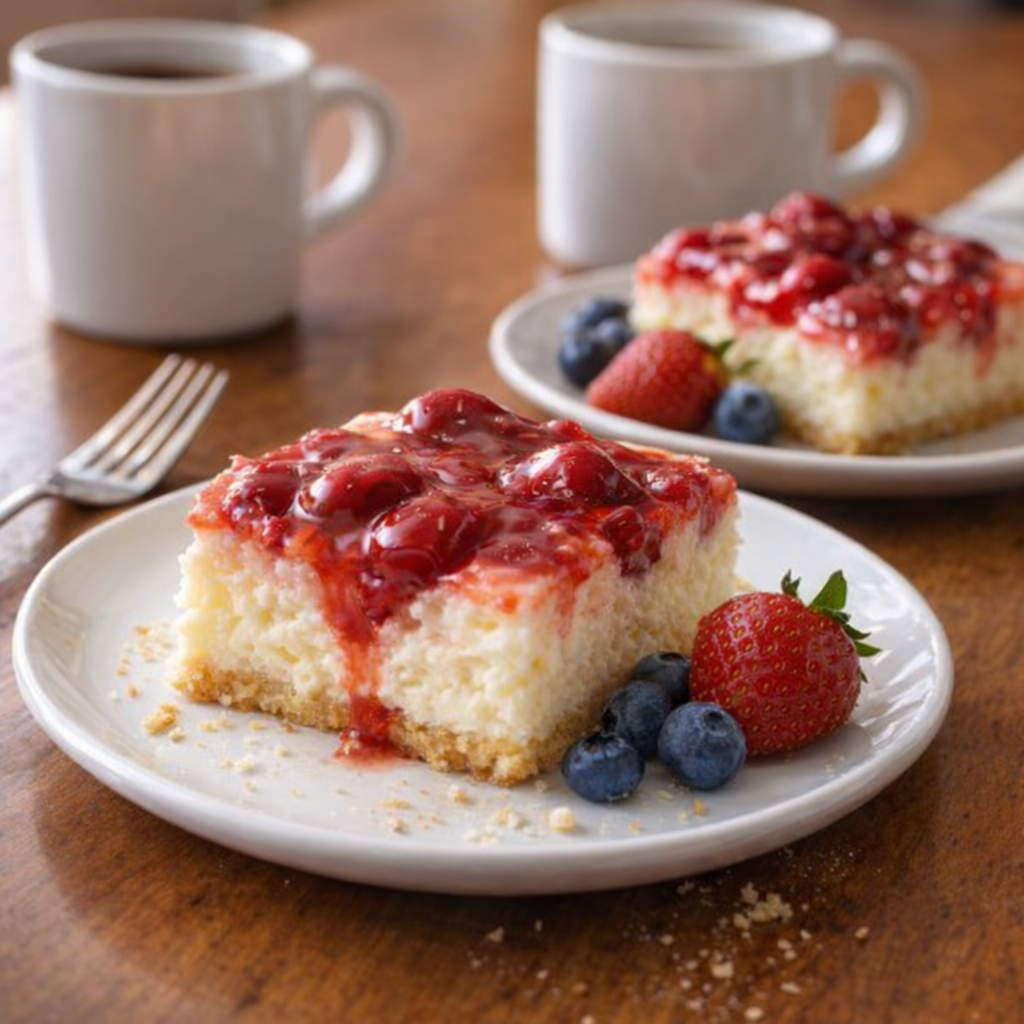
If you’re serving coffee or tea, these bars make a lovely companion on a dessert tray, and for the kids, a cold glass of milk or hot cocoa turns this into a cozy, end-of-the-day treat. They also travel well, so you can pack them in a cooler for picnics or ball games and slice them right in the dish when you arrive.

3-Ingredient Cherry Cheesecake Bars (Two-Pan Family Style)

Servings: 24 bars


Ingredients

2 (21-ounce) cans cherry pie filling

3 (8-ounce) packages cream cheese, softened
3 (21-ounce) cans ready-made cheesecake or cream cheese pie filling (shelf-stable or refrigerated)

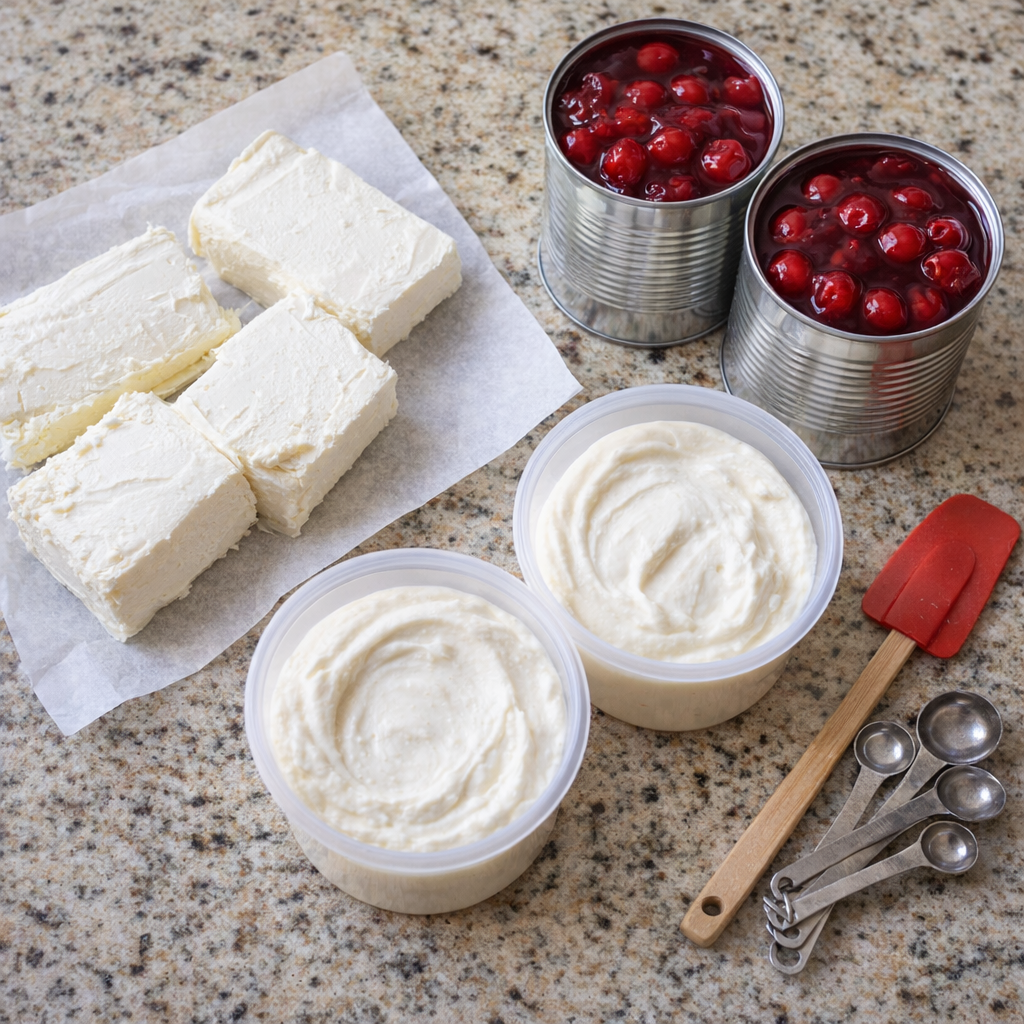
Cream cheese, pie filling, and cherry topping ingredients laid out on a counter

Directions

Prepare the pans: Lightly grease two 8x8-inch or 9x9-inch glass baking dishes (or similar-size glass dishes) with a bit of cooking spray or butter so the bars release easily when sliced.

Soften the cream cheese: Place the cream cheese bricks on the counter for about 30–45 minutes so they soften. This helps everything blend smoothly and keeps the filling nice and creamy.

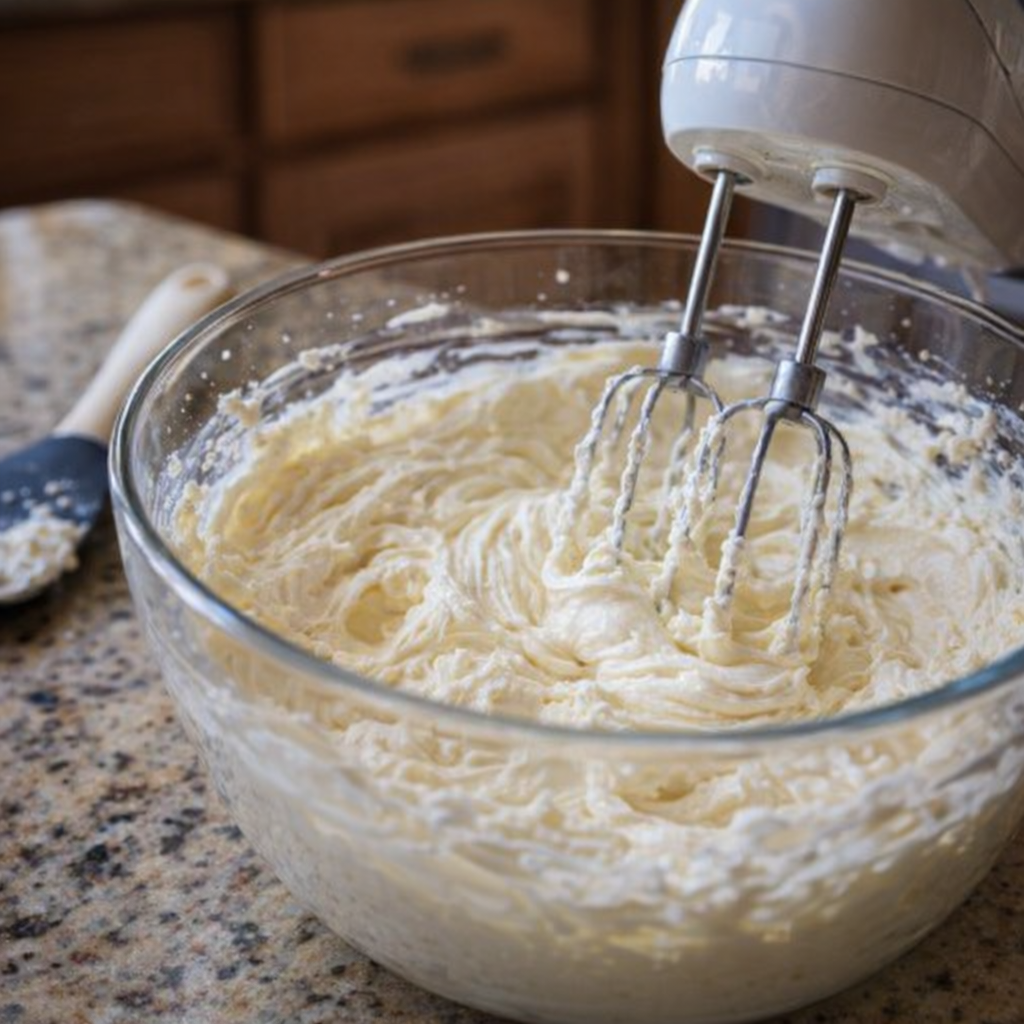
Blend the cream cheese: In a large mixing bowl, beat the softened cream cheese with a hand mixer (or a sturdy whisk) until smooth and free of lumps. Take a minute to scrape down the sides of the bowl so everything is well combined.

Cream cheese being mixed in a bowl with a hand mixer

Add the cheesecake pie filling: Pour the ready-made cheesecake or cream cheese pie filling into the bowl with the whipped cream cheese. Beat or stir until the mixture is smooth and uniform. This is your creamy cheesecake layer.

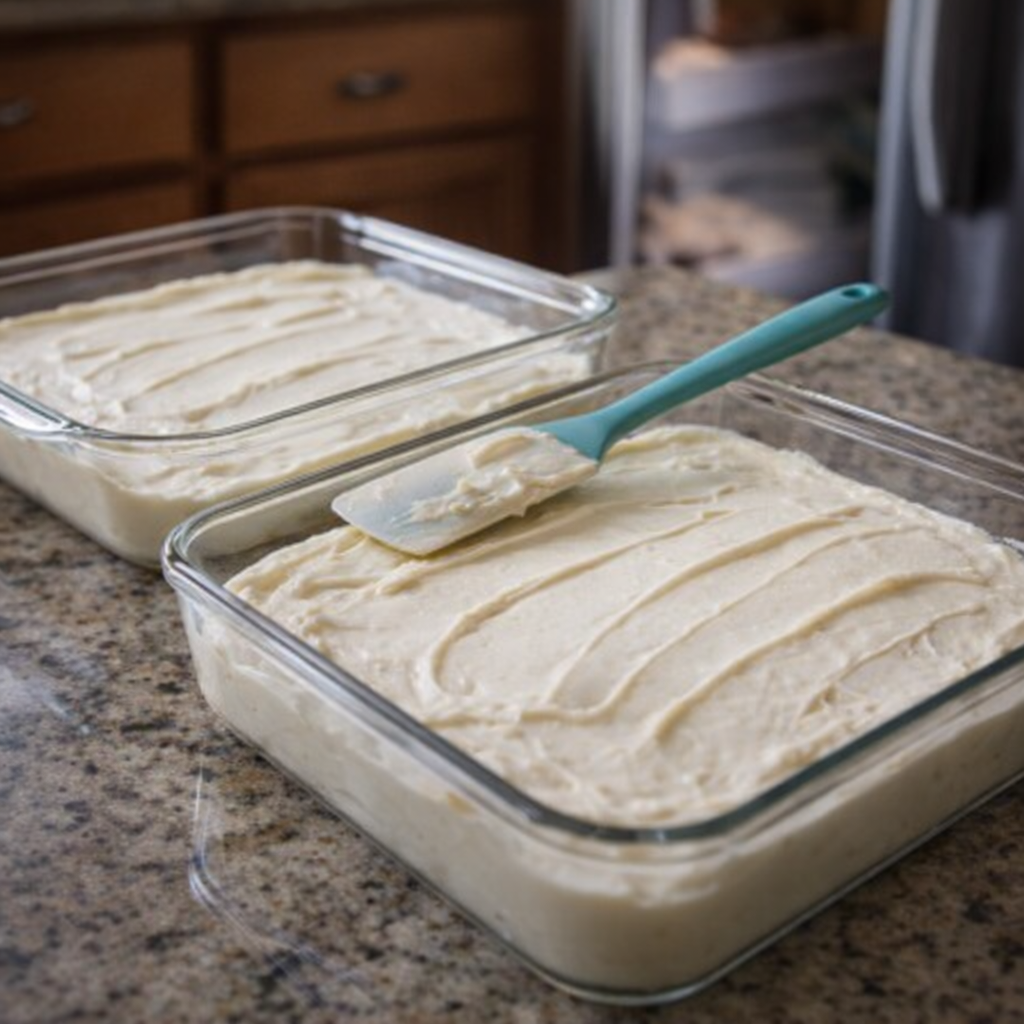
Divide the cheesecake mixture: Evenly divide the cheesecake mixture between the two glass baking dishes. Use a spatula to spread it into an even layer, making sure to reach all the corners so each bar has a good, thick layer of filling.

Chill briefly (optional but helpful): If you have the time, place the dishes in the refrigerator for about 20–30 minutes. This helps the cheesecake layer firm up a bit so the cherries sit nicely on top.

Cheesecake filling smoothed into glass baking dishes

Add the cherry topping: Open the cans of cherry pie filling and spoon them gently over the chilled cheesecake layer in both dishes. Spread the cherries out evenly, trying not to disturb the creamy layer underneath. Make sure every corner gets some cherries so no one ends up with a plain piece.

Chill until set: Cover each glass dish with plastic wrap or a lid and refrigerate for at least 4 hours, or overnight if you can. This helps the bars firm up enough to slice neatly and lets the flavors come together.

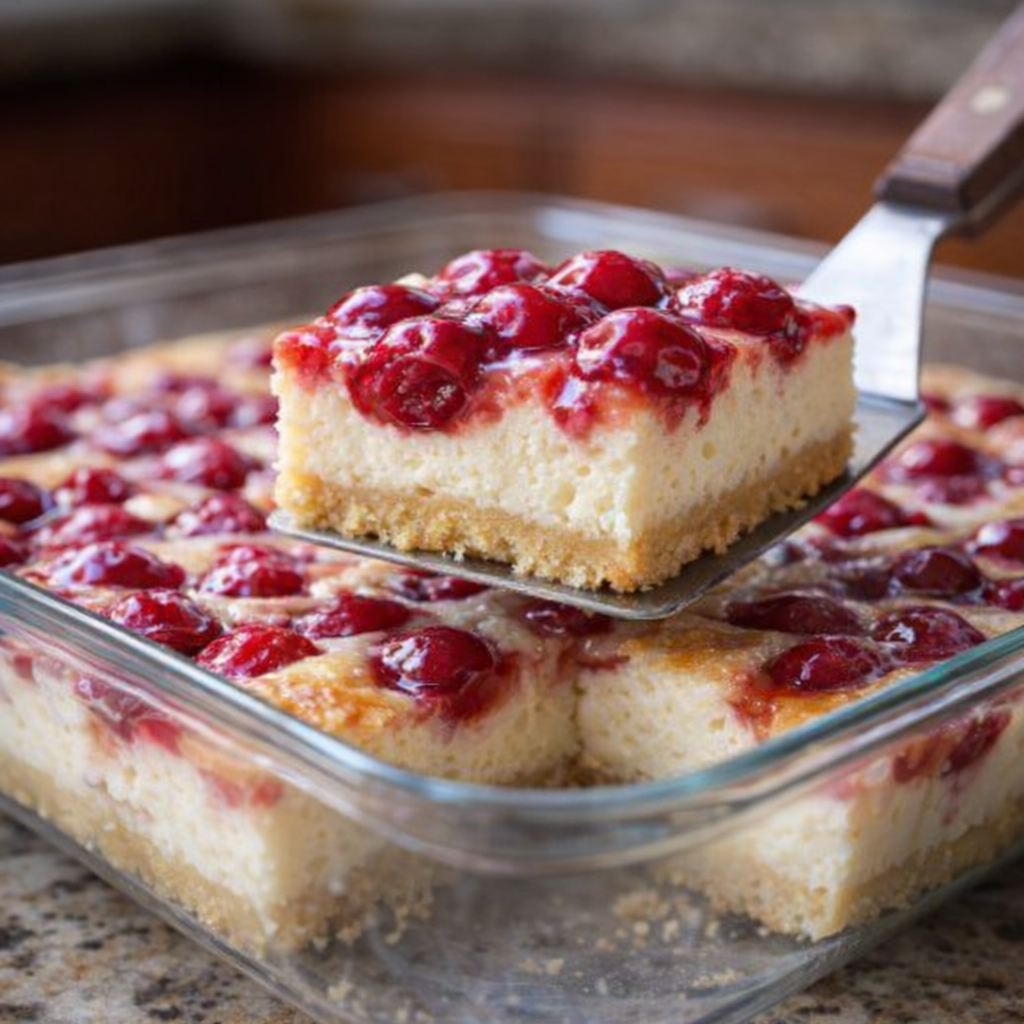
Slice and serve: When ready to serve, run a knife around the edges of each dish to loosen the bars. Cut each pan into 12 squares (3 by 4) for a total of 24 bars. Use a small spatula to lift them out, wiping the spatula between cuts if you want especially tidy slices.

A sliced cherry cheesecake bar being lifted from the dish

Store leftovers: Cover any leftover bars and keep them in the refrigerator for up to 3–4 days. They’re delicious straight from the fridge, and they make an easy make-ahead dessert for busy school nights or weekend company.

Variations & Tips

For picky eaters or kids who don’t love cherries, you can easily swap the cherry pie filling for blueberry, strawberry, or even apple pie filling—just keep the amounts the same.

If you want a little more texture, you can press a simple base into the bottom of each glass dish before adding the cheesecake mixture: crush about 3 cups of graham crackers or vanilla wafers, mix with 1/2 cup melted butter, and press it firmly into the bottom of the pans, then proceed with the recipe as written.

For a lighter version, you can use reduced-fat cream cheese and a light cheesecake pie filling; the texture will be a bit softer, but still very tasty. If you have a family member who likes things less sweet, serve their bar with a spoonful of plain Greek yogurt on the side to balance the sweetness.

Cherry cheesecake bars served with berries and coffee

To make it feel extra special for holidays, add a sprinkle of mini chocolate chips or shaved chocolate on top of the cherries, or swirl the cherry layer lightly into the cheesecake layer with a knife before chilling for a marbled look. And if your crew likes to help in the kitchen, let kids be in charge of spreading the cherries and decorating the tops—when they help make dessert, they’re usually more excited to eat it together at the table.


My brother begs me to

by


 These slow cooker 3-ingredient BBQ country style ribs are the kind of meal my brother begs me to make every weekend. They come out fall-apart tender, sticky, and saucy with almost no effort at all. This is one of those small-town, busy-family recipes that’s been passed around at potlucks and game days because it uses just three simple ingredients and the slow cooker does all the work.

Slow cooker BBQ country style ribs on a family dinner table

If you’re looking for a foolproof, crowd-pleasing dinner that tastes like you fussed all day, this is it.

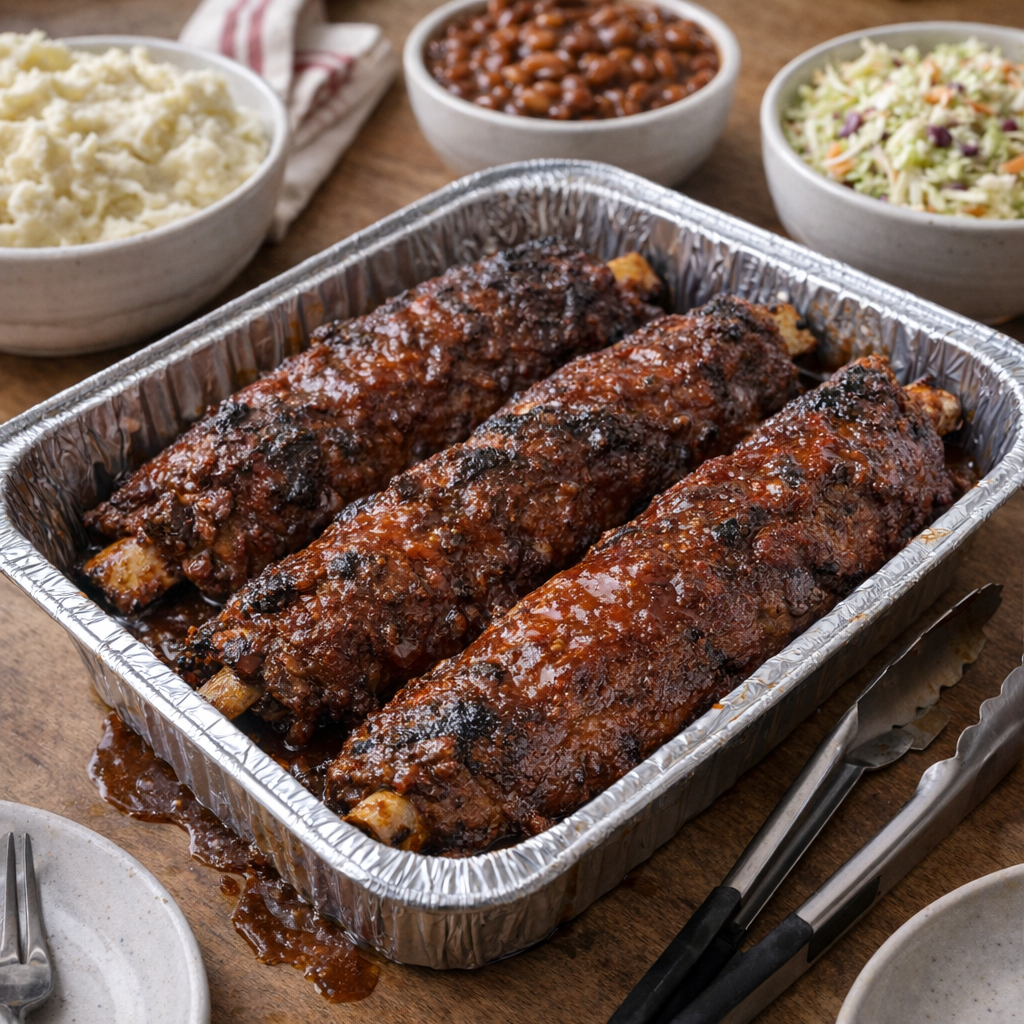
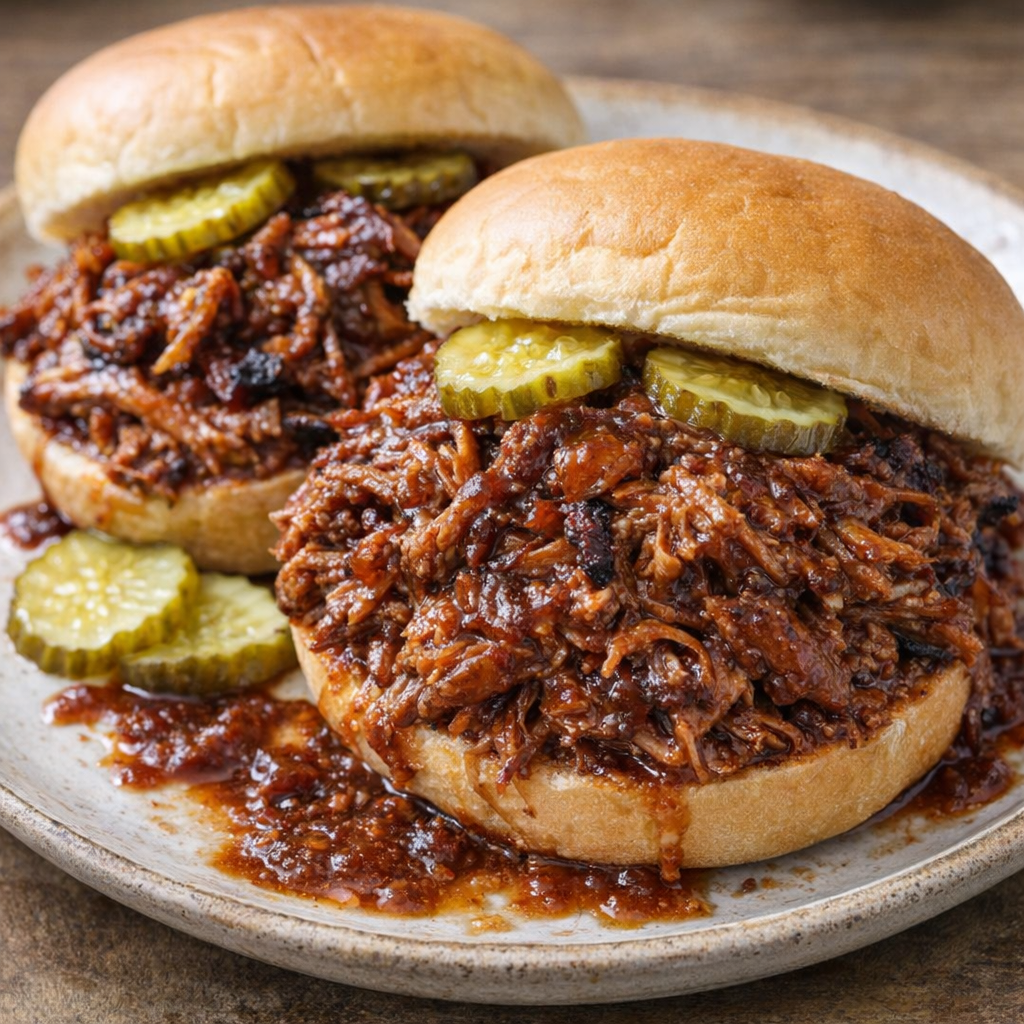
These ribs are wonderful piled onto a plate with creamy coleslaw and buttery mashed potatoes or baked beans to soak up the extra sauce. For a lighter option, serve them with a simple green salad or roasted vegetables. They’re also great tucked into soft sandwich buns with pickles and a little extra BBQ sauce for an easy game-day spread.

BBQ rib plate with coleslaw and mashed potatoes

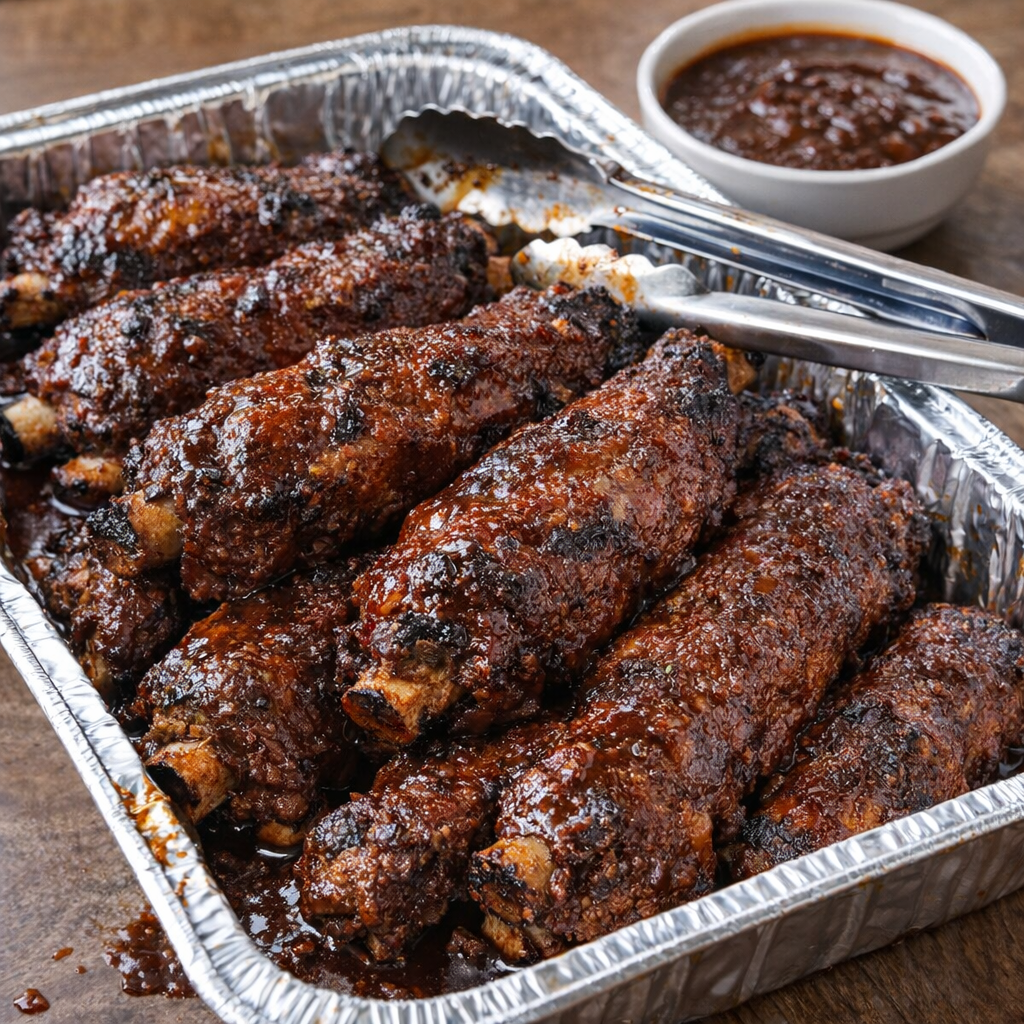
I like to set out a tray of the ribs right in the foil pans with some tongs so everyone can help themselves family-style.

Slow Cooker 3-Ingredient BBQ Country Style Ribs

Servings: 6


Ingredients
4–5 pounds bone-in country style pork ribs
1 (18–20 ounce) bottle thick barbecue sauce, plus extra for serving if desired
1/2 cup brown sugar, packed
Directions

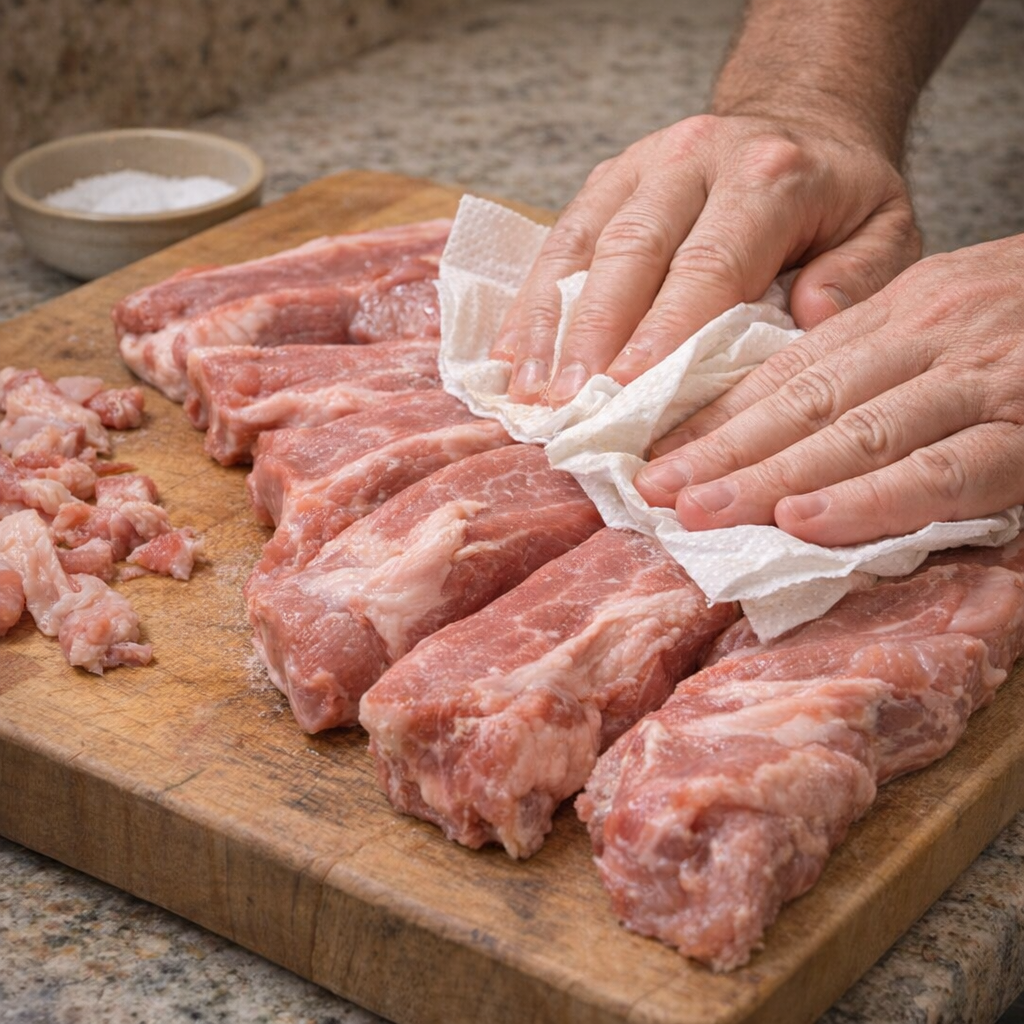
Pat the country style pork ribs dry with paper towels and trim any large, thick pieces of fat if you like. This helps them brown a bit and keeps the sauce from getting too greasy.

Preparing country style pork ribs on a kitchen counter

Spray the inside of your slow cooker lightly with nonstick cooking spray for easier cleanup, or use a slow cooker liner if you prefer.

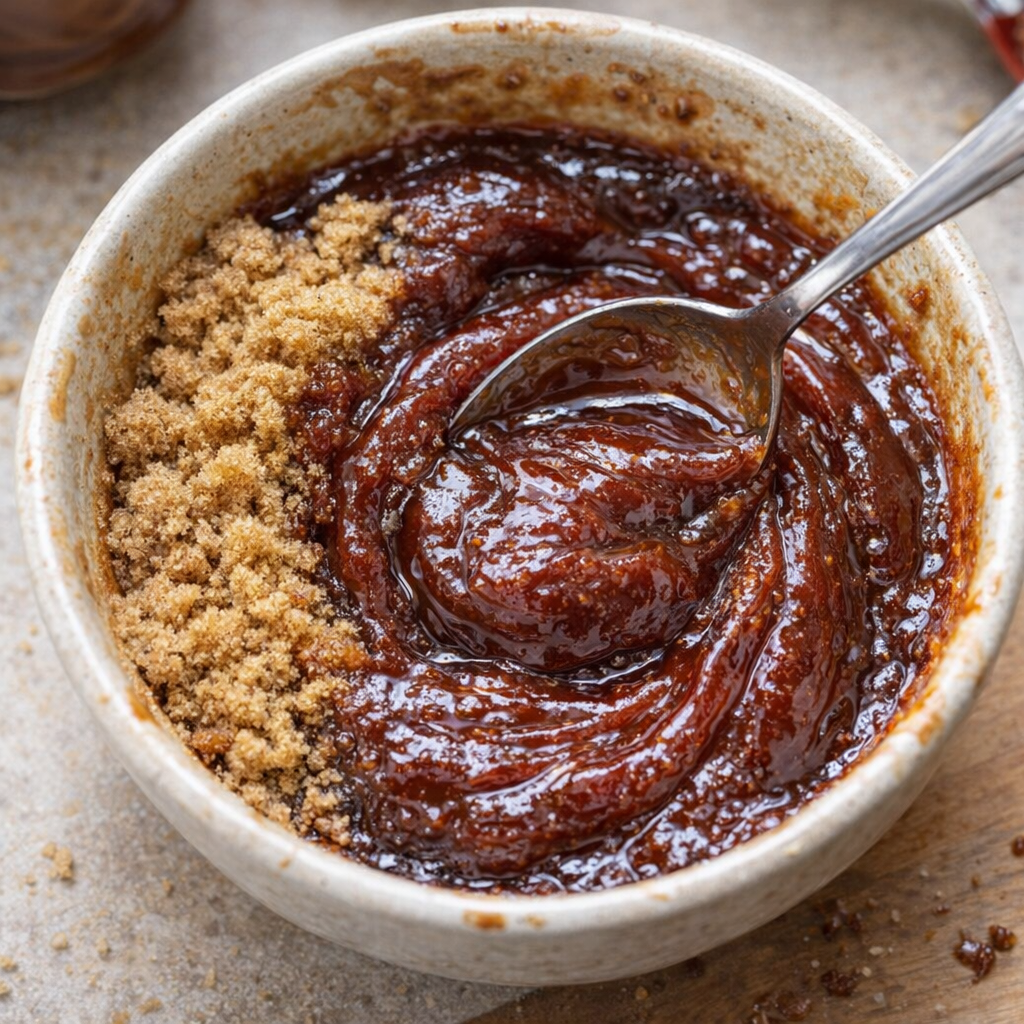
In a small bowl, stir together the barbecue sauce and brown sugar until the sugar is mostly dissolved and the sauce looks glossy and slightly thicker.

Barbecue sauce and brown sugar mixed in a bowl

Add a thin layer of the BBQ sauce mixture to the bottom of the slow cooker. Arrange the ribs in the slow cooker in an even layer; it’s fine if they overlap slightly, but try not to stack them too high so they cook evenly.

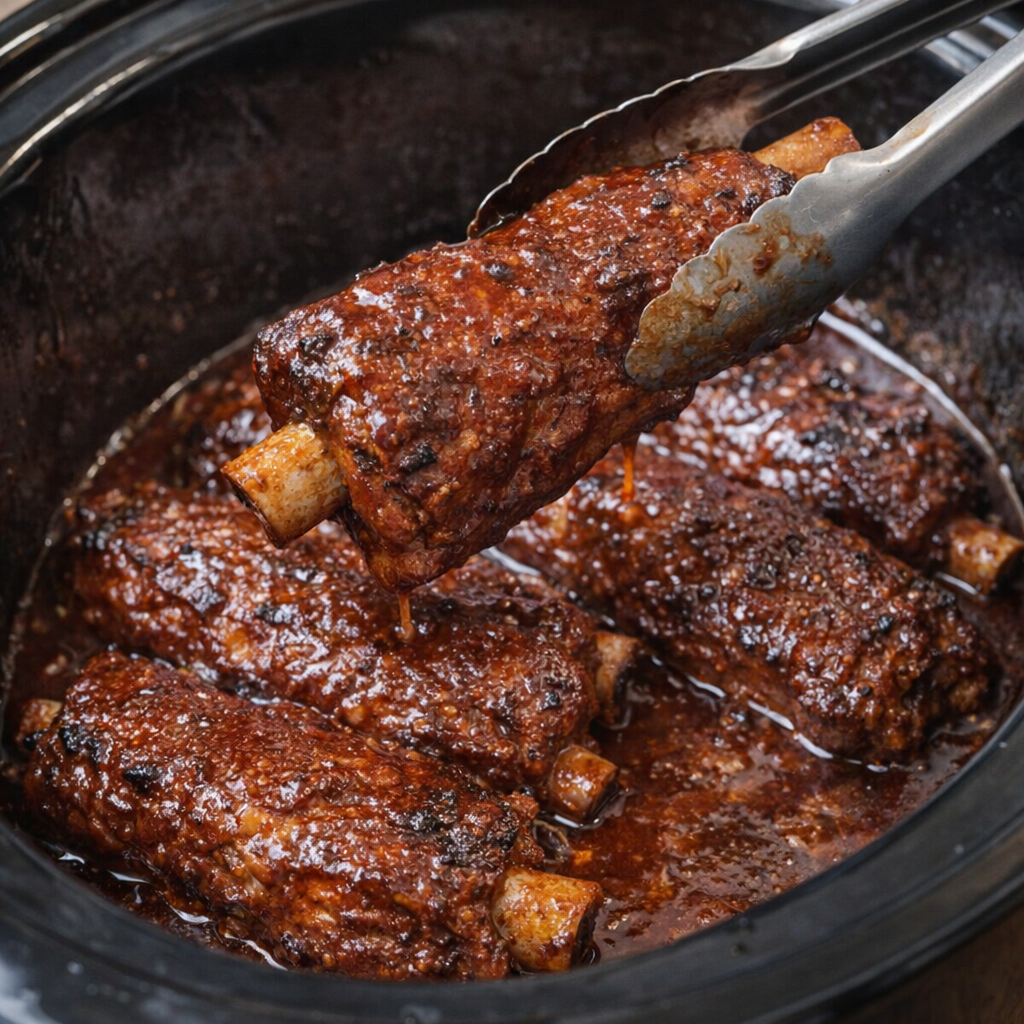
Pour the remaining BBQ sauce mixture evenly over the ribs, turning them with tongs to make sure every piece is well coated. Spoon some sauce from the bottom over any spots that look dry.

Ribs coated in barbecue sauce inside a slow cooker

Cover the slow cooker with the lid and cook on LOW for 7–8 hours, or on HIGH for 3 1/2–4 hours, until the ribs are very tender and easily pull apart with a fork.

Once the ribs are cooked and tender, preheat your oven broiler to high and line two rimmed baking sheets or foil trays with aluminum foil for easy cleanup.

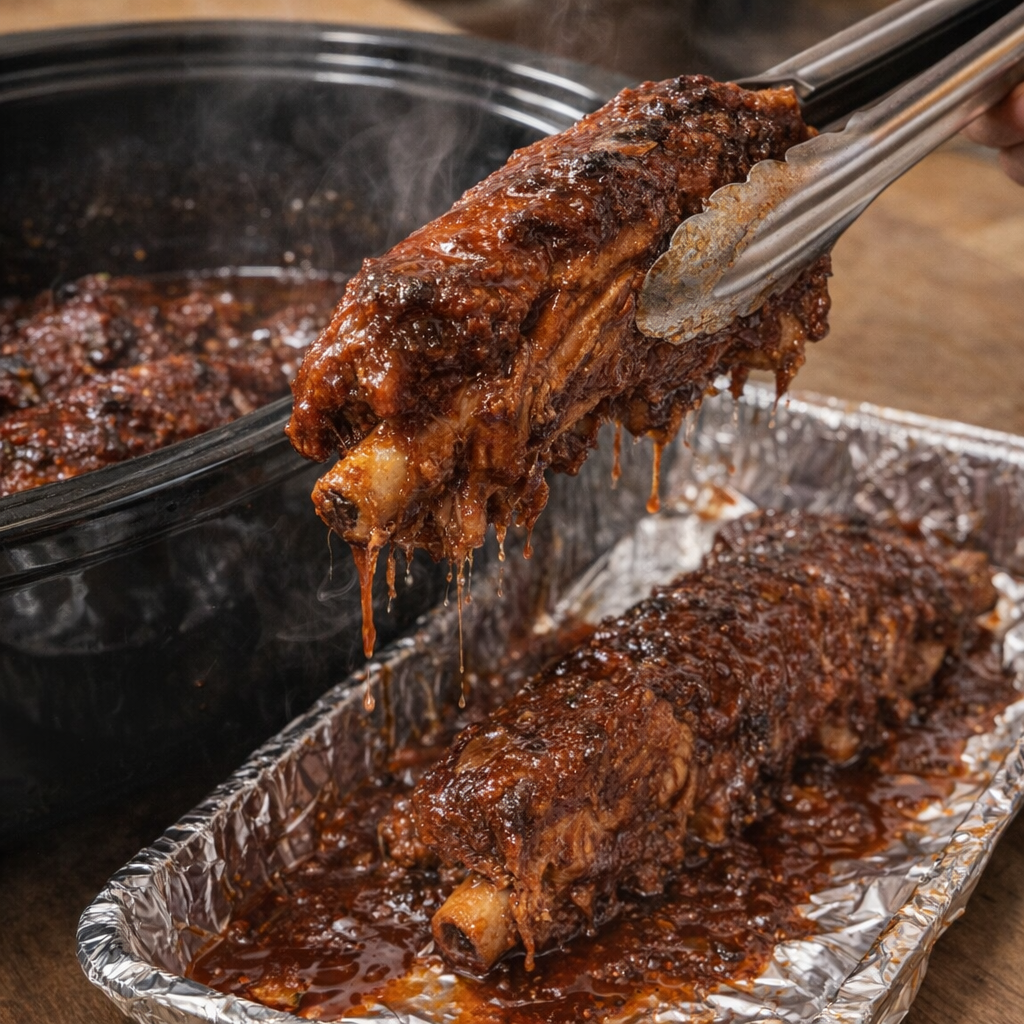
Using tongs, carefully transfer the ribs from the slow cooker to the prepared foil-lined trays, letting any excess liquid drip off slightly but keeping plenty of sauce clinging to the meat.

Tender cooked ribs being transferred to a foil-lined tray

Spoon or brush some of the thickened BBQ sauce from the slow cooker over the top of the ribs in the trays so they are generously coated and glossy.

Place the trays under the broiler on the upper-middle rack for 3–5 minutes, watching closely, until the edges of the ribs are slightly charred and the sauce is bubbly and sticky. Rotate the trays if needed so they brown evenly without burning.

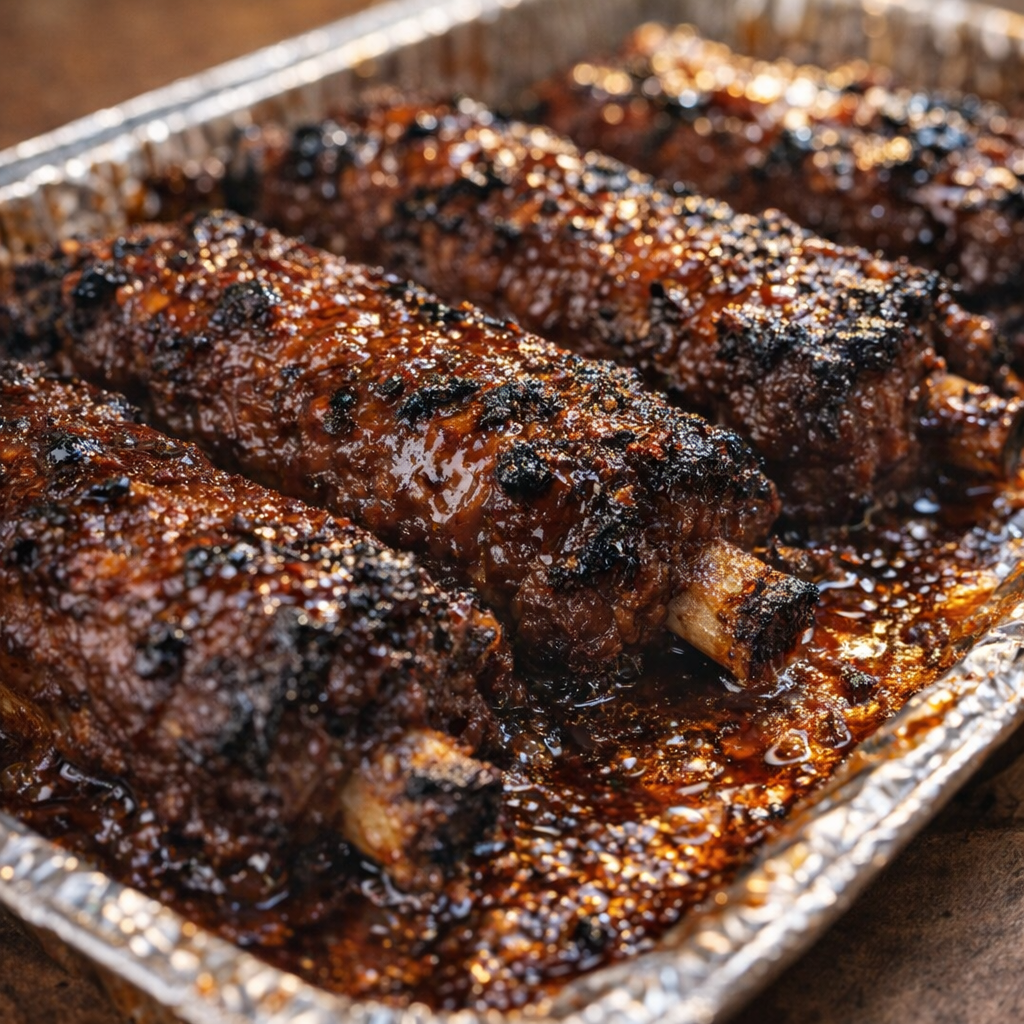
Broiled BBQ ribs with charred sticky edges

Remove the trays from the oven and let the ribs rest for a few minutes. Spoon any pooled sauce from the bottom of the trays back over the ribs for that extra sticky, saucy finish.

Serve the ribs hot right in the foil trays for a casual, family-style meal, with extra barbecue sauce on the side if anyone likes theirs extra saucy.

Finished BBQ ribs served family-style in a foil tray
Variations & Tips

If you have picky eaters, choose a sweeter, milder barbecue sauce to keep the flavor kid-friendly, and skip the broiler step for little ones who don’t like charred edges. For a bit of heat, use a spicy BBQ sauce or stir 1–2 teaspoons of crushed red pepper flakes or hot sauce into the bottled sauce.

This does add an ingredient, so keep it optional if you’re sticking to the 3-ingredient base. You can also swap brown sugar for honey if that’s what you have on hand, though it will be slightly less caramel-like. If your ribs are boneless, reduce the cook time slightly and start checking for tenderness about 30–45 minutes earlier.

BBQ rib sandwiches made from shredded leftovers

To make this more like pulled pork for sandwiches, shred the cooked ribs right in the slow cooker, stir them into the sauce, then pile onto buns. For easier weekday prep, assemble the ribs and sauce in the slow cooker insert the night before, refrigerate, then set it in the base and start cooking in the morning.

Leftovers reheat well in a covered dish in the oven or in a skillet on the stovetop with a splash of water or extra BBQ sauce to keep them moist.

My grandfather survived

by

My grandfather survived some of the hardest years this country ever saw with a pot of potatoes and onions quietly bubbling away on the back of the stove. When money was tight and meat was a rare treat, this simple 3-ingredient meal kept everyone full and comforted. I’ve adapted his old farmhouse method to the slow cooker, so you can toss it together in the morning and let it work its magic all day. As it cooks, the potatoes turn tender and golden around the edges, the onions melt down into sweet, savory ribbons, and everything is kissed with just enough butter to feel special. It’s humble food that fills the house with the kind of aroma that makes you feel safe, cared for, and grateful for every bite.
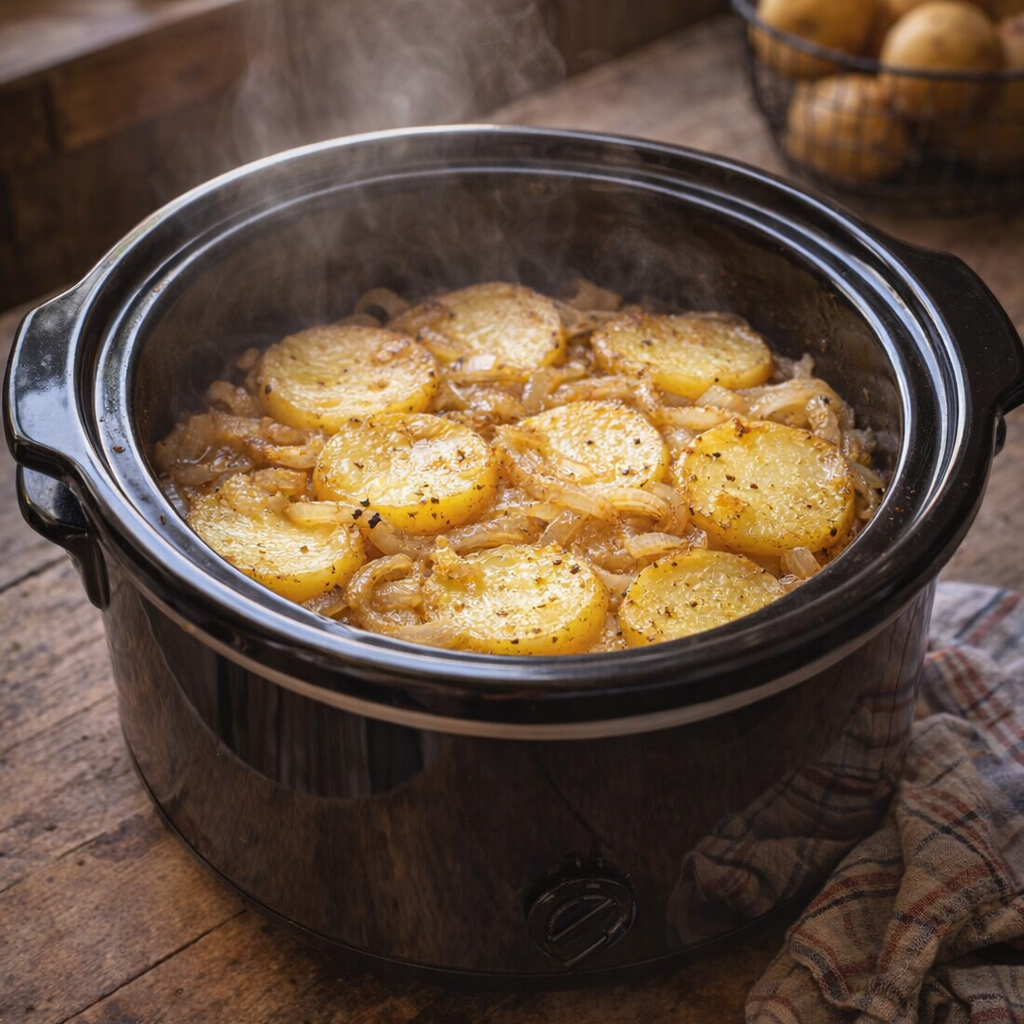
Slow cooker potato and onion bake in a country kitchen
I like to serve this slow cooker potato and onion bake straight from the crock, spooned into shallow bowls so the buttery gloss coats every slice. It’s hearty enough to stand alone with a slice of crusty bread or a pan of cornbread for soaking up the buttery juices. On lean days, we eat it just as it is; on more generous nights, it makes a wonderful bed for a fried egg, a few slices of leftover sausage, or a scoop of cottage cheese. A simple side of green beans, coleslaw, or a crisp salad adds a bit of freshness alongside this rich, old-fashioned comfort.
Slow Cooker Potato and Onion Bake
Servings: 4

Ingredients
3 tablespoons salted butter, melted (plus a little extra for greasing the slow cooker)
2 pounds russet or Yukon Gold potatoes, thinly sliced (about 1/8-inch thick)
2 large yellow onions, thinly sliced (about 1/8–1/4-inch thick)
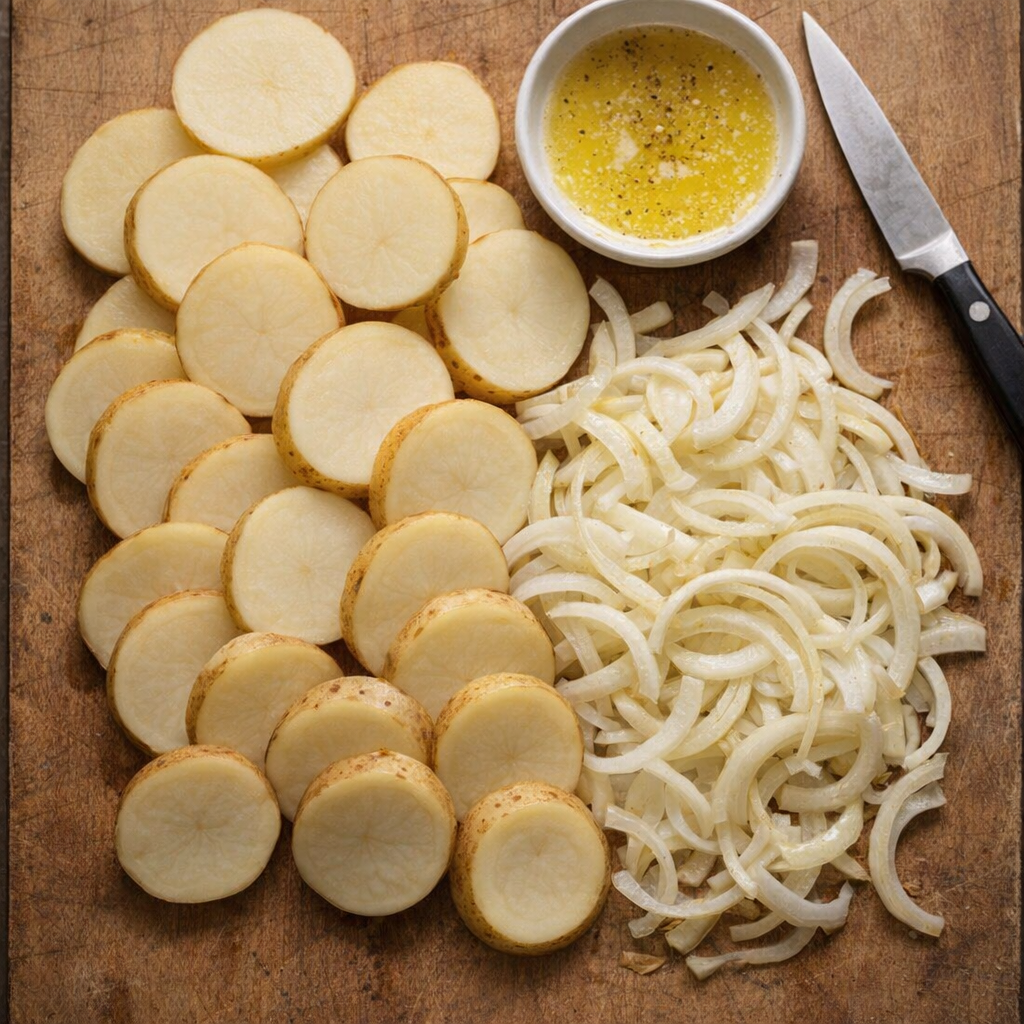
Sliced potatoes and onions ready for layering
Directions
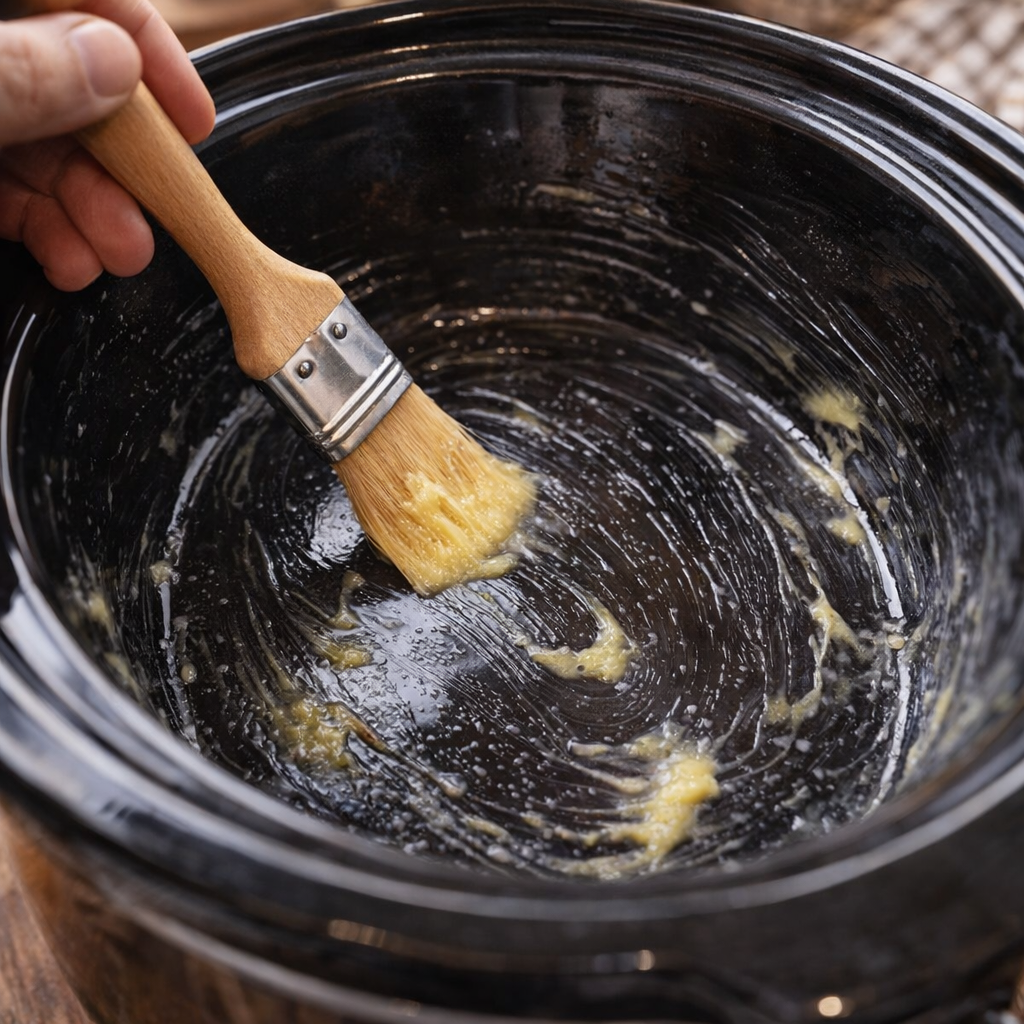
Lightly grease the inside of a 4- to 6-quart slow cooker with a bit of butter to keep the potatoes from sticking and to add extra flavor.
Peel the potatoes if you like (or scrub them well and leave the skins on for a more rustic bake). Slice the potatoes into thin rounds, about 1/8-inch thick, so they cook evenly and become tender all the way through.
Peel the onions, then slice them in half from root to tip. Lay each half flat and cut into thin slices, about 1/8–1/4-inch thick, so they soften and caramelize as they cook.
Buttering the inside of a slow cooker crock
Drizzle 1 to 2 teaspoons of the melted butter into the bottom of the slow cooker and tilt the crock so it coats the surface.
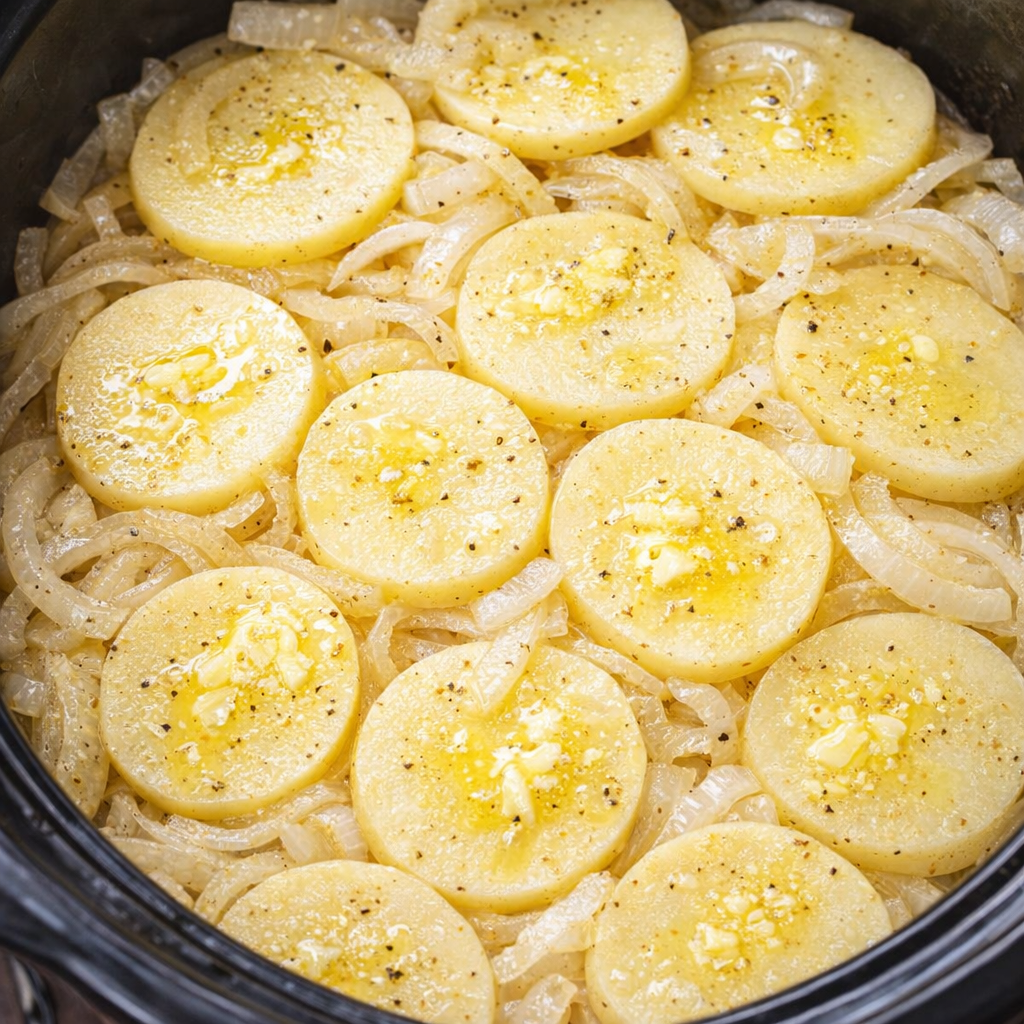
Add a single, even layer of potato slices to the bottom of the slow cooker, overlapping them slightly like shingles. Sprinkle a loose handful of sliced onions over the potatoes, spreading them out so they cover the surface.
Drizzle a teaspoon or so of melted butter over this layer, letting it sink down between the slices. If you normally cook with salt and pepper, you may add a light pinch now, but the recipe is designed to be satisfying even without extra seasonings.
Repeat the layering process: potatoes, onions, and a light drizzle of melted butter, building up until all the potatoes and onions are used. Finish with a final drizzle of any remaining melted butter over the top so the upper layer turns glossy and golden as it cooks.
Layered potatoes and onions in the slow cooker
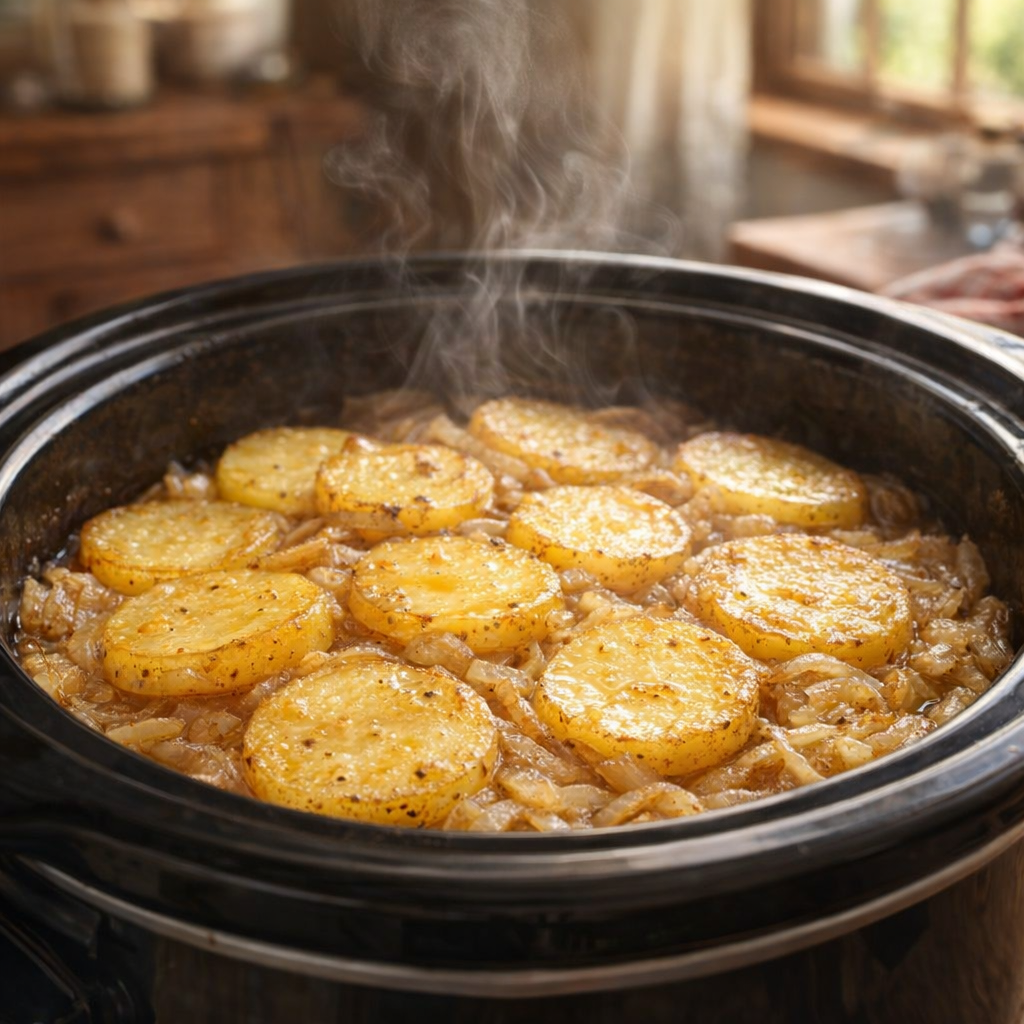
Cover the slow cooker with its lid and cook on LOW for 6 to 7 hours, or on HIGH for about 3 to 4 hours, until the potatoes are very tender when pierced with a fork and the onions are soft, translucent, and lightly caramelized around the edges.
Once cooked, let the potato and onion bake rest with the lid off for about 10 minutes. This allows the steam to settle and the buttery juices to thicken slightly, giving the potatoes a rich, glossy finish.
Finished potato and onion bake resting in the crock
To serve, scoop down through all the layers so each portion has both potatoes and onions. Spoon any buttery juices from the bottom of the crock over the top of each serving for extra flavor and moisture.
Variations & Tips
This old-fashioned 3-ingredient bake is meant to be as plain and honest as the times it came from, but you can still make it your own while keeping the spirit of the dish. If you’d like a slightly different character without adding more true ingredients, play with the potato variety: Yukon Golds give a buttery, creamy texture, while russets turn softer and more rustic, almost like a loose casserole. Red potatoes will hold their shape more and give a firmer bite.

For deeper onion flavor, use one yellow onion and one sweet onion, or cook it a little longer on LOW so the onions caramelize further along the sides. If you have a very old slow cooker that runs hot, check the potatoes early so the bottom doesn’t overbrown; you can gently lift and stir the edges toward the center once during cooking if needed.

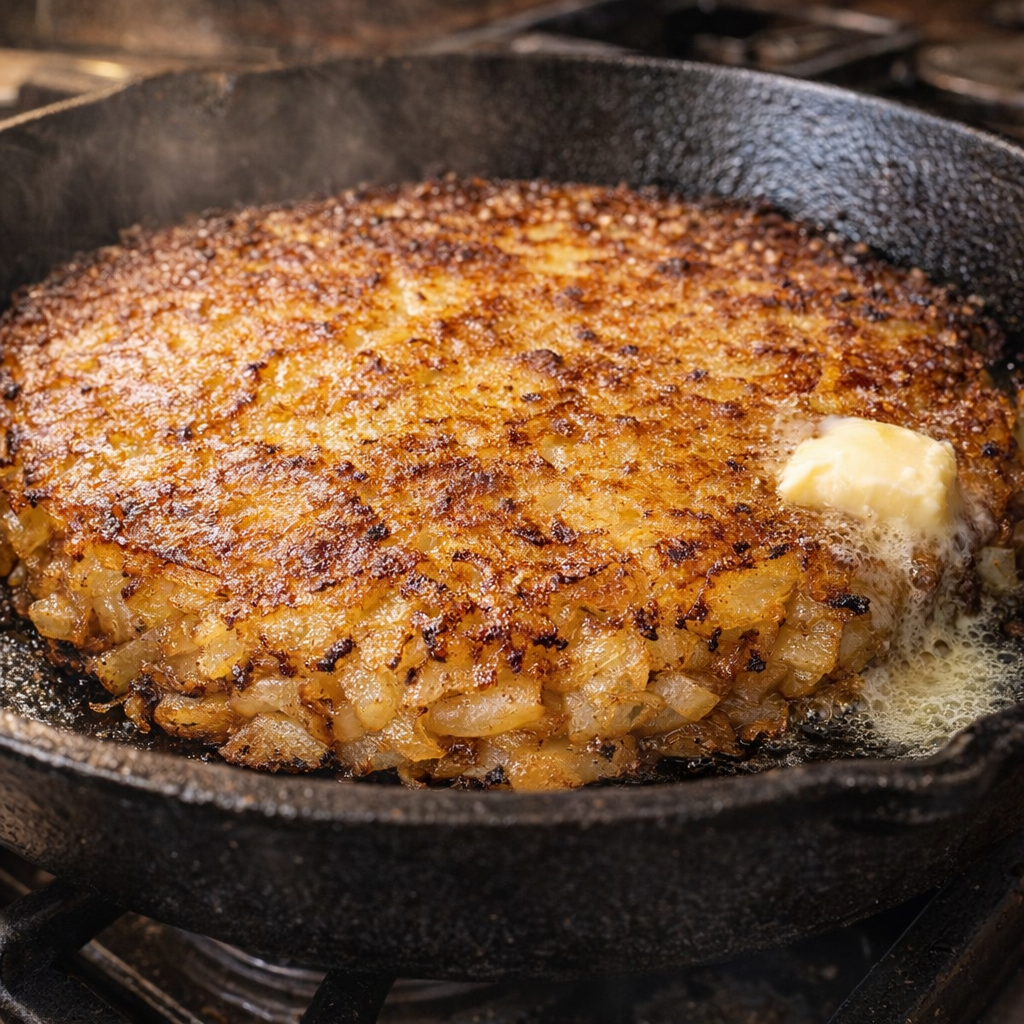
To stretch this meal for more people without adding ingredients, serve it over thick slices of toasted bread or alongside a big bowl of beans. Leftovers reheat well in a skillet with just a dab of butter: press them down a bit and let the bottom crisp for a few minutes to create buttery, golden potato cakes from yesterday’s supper.

Leftover potato bake crisping in a skillet


My dad makes this 3 ingredient

by


 This 3-ingredient French onion dip is the kind of no-fuss classic my dad makes for every single cookout. It’s the one everyone hovers around, chip in hand, and it disappears so fast we’ve learned to make a double batch before guests even ring the doorbell. This version leans on the Midwestern pantry staple combo of dry onion soup mix and sour cream, a shortcut that dates back to the 1950s when home cooks started stirring soup packets into dairy to mimic the slow-cooked French onion flavor.

The result is thick, creamy, and packed with savory onion and a hint of beefy depth—perfect for casual gatherings when you want maximum payoff with minimal effort.

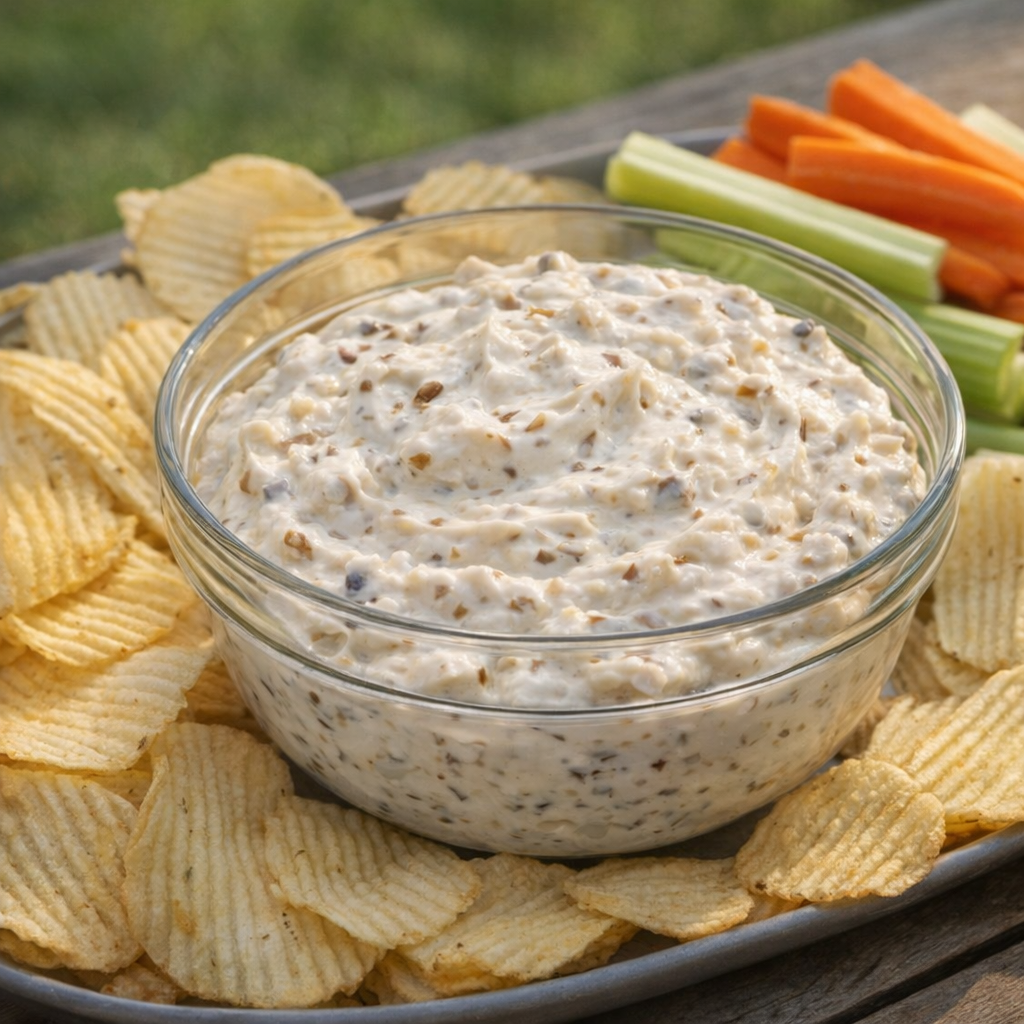
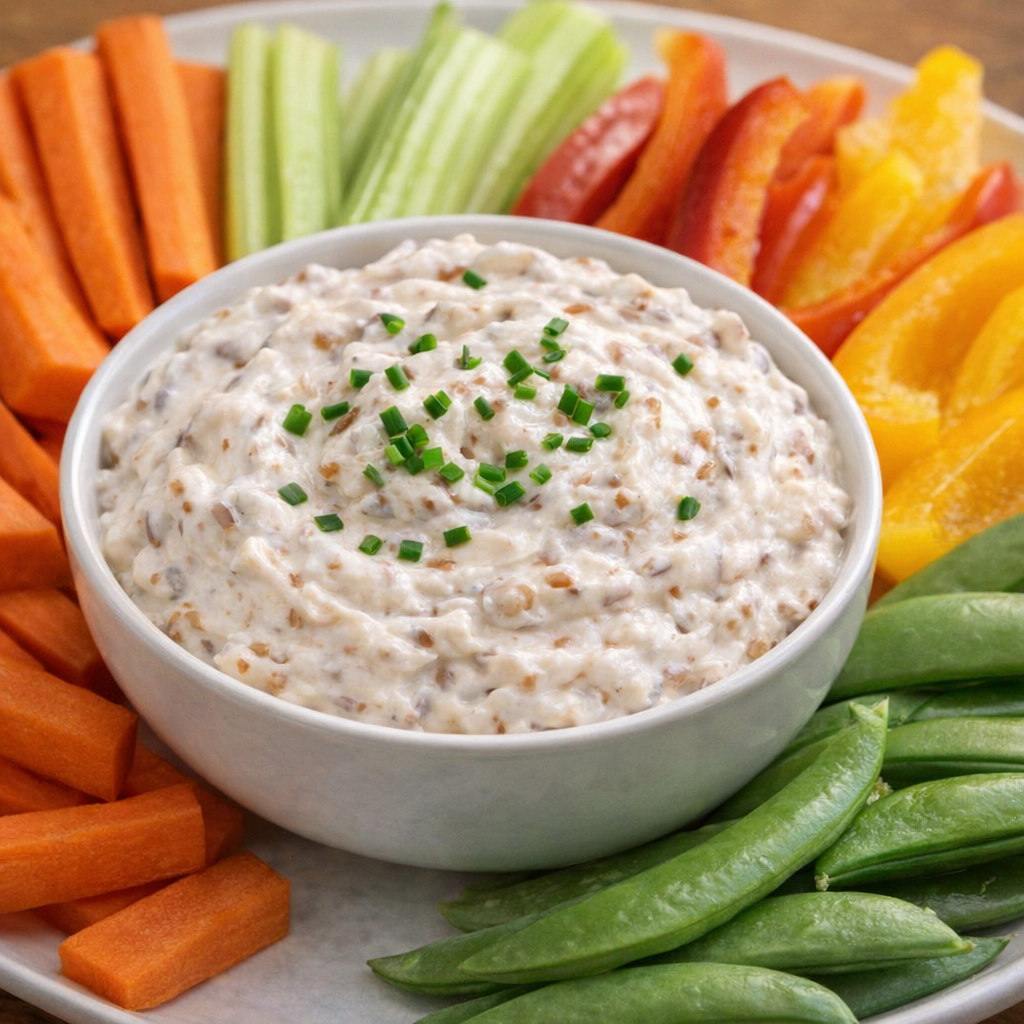
Bowl of French onion dip with ridged chips on a cookout table

Serve this French onion dip well-chilled in a clear glass bowl so the creamy white base and dark brown flecks of dehydrated onion are visible. Pair it with sturdy potato chips, ridged if you have them, plus a platter of raw vegetables like carrot sticks, celery, bell pepper strips, and snap peas.

It’s also great with pretzels, pita chips, or spread on burgers and grilled chicken sandwiches instead of mayo. For a full cookout spread, set it next to grilled brats, burgers, and corn on the cob so guests can use it as both a dip and a quick sauce.

3-Ingredient French Onion Dip
Servings: 8

Ingredients
2 cups (16 ounces) full-fat sour cream
1 packet (1–1.2 ounces) dry French onion soup mix
1/4 cup mayonnaise (preferably full-fat)
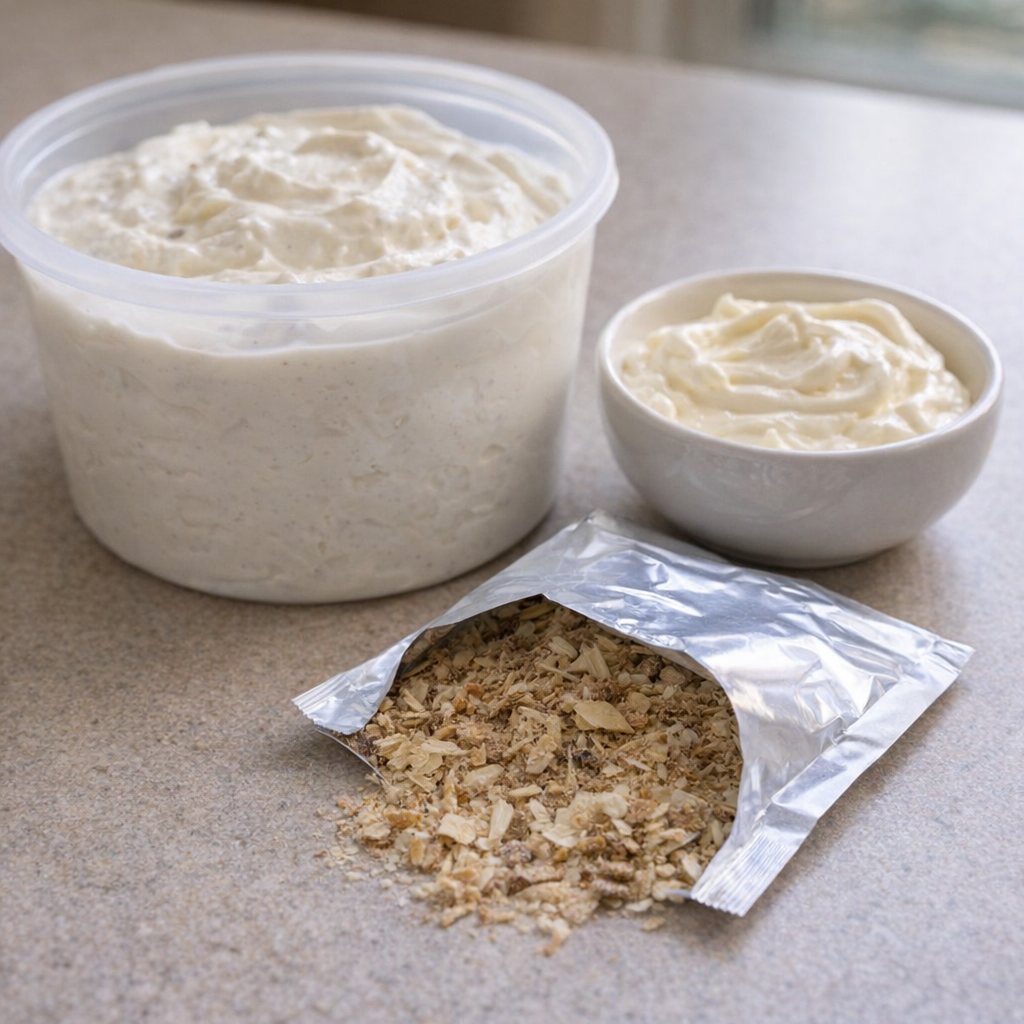
Measured ingredients for French onion dip on a kitchen counter
Directions

In a medium mixing bowl, add the sour cream and mayonnaise. Stir together until the mixture is completely smooth and evenly combined. This creates a rich, creamy base that will hold the onion soup mix without becoming too thick.

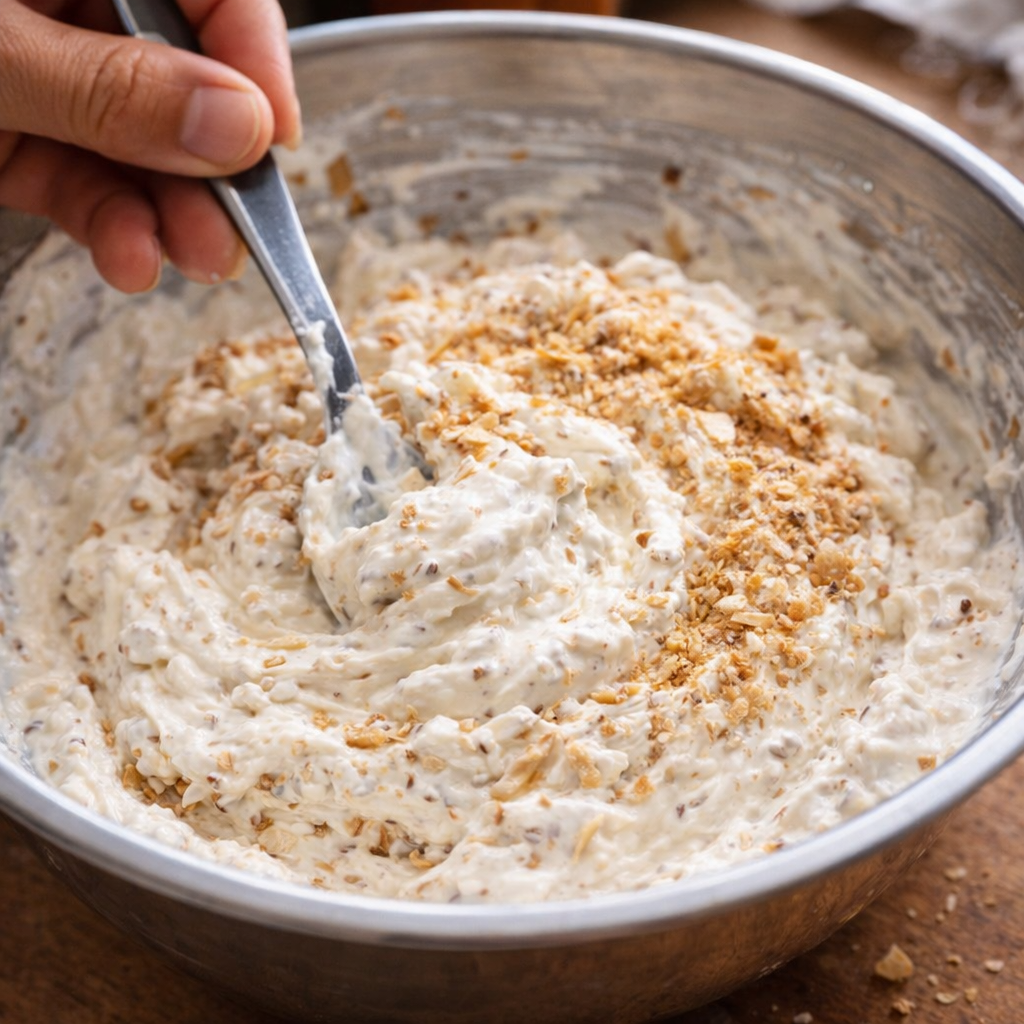
Sprinkle the dry French onion soup mix evenly over the creamy base. Using a spatula or spoon, fold and stir until all the dry mix is fully incorporated and no streaks of powder remain. You should see dark brown flecks of dehydrated onion evenly distributed throughout the dip.

French onion dip being stirred in a mixing bowl

Taste the dip. The soup mix is usually salty enough on its own, so avoid adding extra salt at this stage. If you prefer a slightly looser dip, you can thin it with a tablespoon or two of milk or cream, stirring well after each addition until you reach your desired consistency.
Transfer the dip to a clear glass serving bowl so you can see the thick, creamy texture and the onion flecks through the sides. Smooth the top with the back of a spoon for a neat presentation.

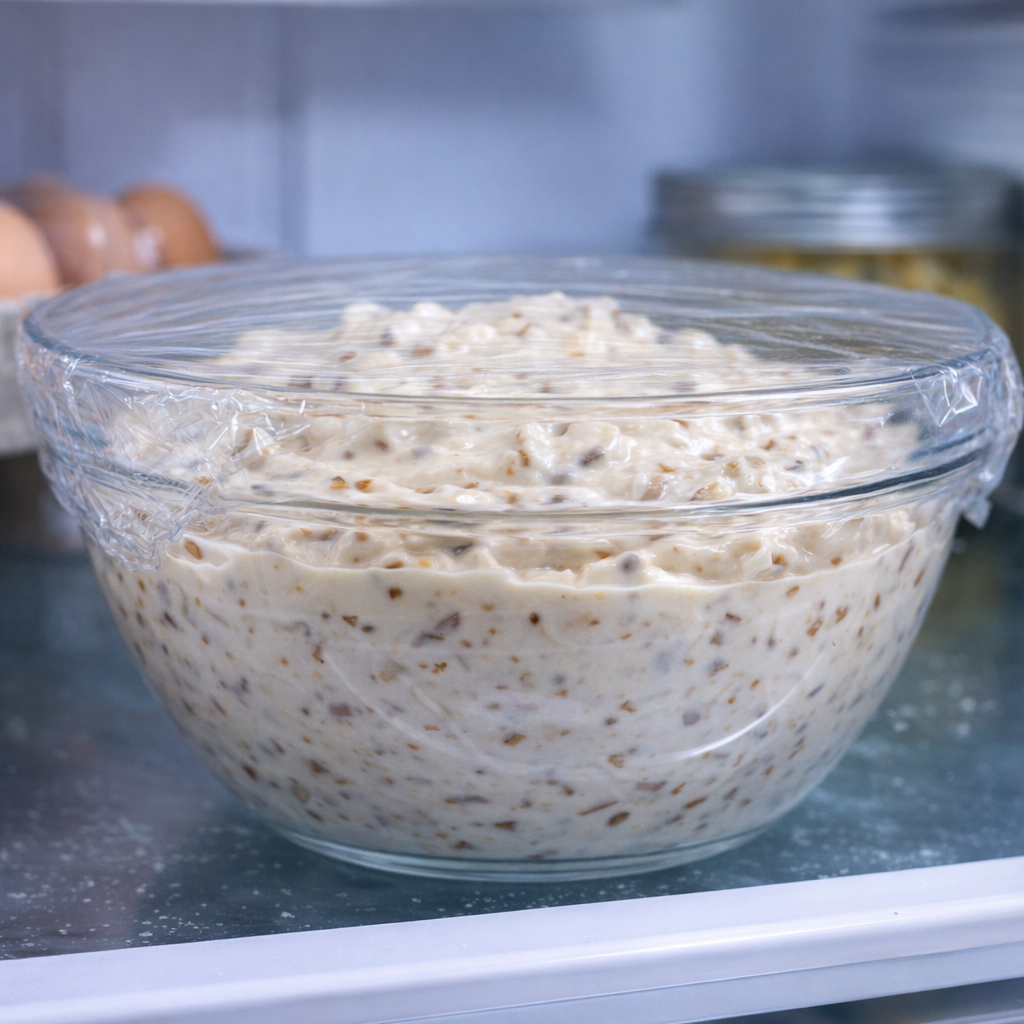
Cover the bowl tightly with plastic wrap and refrigerate for at least 1 hour, or up to 24 hours, before serving. This resting time allows the dehydrated onions and seasonings to fully hydrate and bloom, deepening the flavor and slightly thickening the dip.

Covered bowl of French onion dip chilling in a refrigerator

When ready to serve, give the dip a quick stir to redistribute any settled seasonings. Serve chilled with potato chips and fresh vegetables. Keep the bowl on ice or return it to the refrigerator after 2 hours if serving outdoors in warm weather.

Variations & Tips

For a lighter version, swap half of the sour cream for plain Greek yogurt; this keeps the dip thick and tangy while cutting some richness. If you like a stronger onion flavor, stir in 1–2 tablespoons of finely minced fresh chives or green onions just before serving for a fresh, grassy note.

For a touch of sweetness and depth, you can fold in 2–3 tablespoons of finely chopped, well-cooled caramelized onions along with the soup mix; this technically adds more than three ingredients, but the base recipe remains the same. If you prefer a smoother, more mellow dip, let it rest overnight; the dehydrated onions will fully soften and the flavors will meld.

French onion dip topped with chives and served with vegetables

Food safety tips: Always keep the dip refrigerated until serving, and limit the time it sits at room temperature to 2 hours, or 1 hour if it’s above 90°F/32°C, to reduce the risk of bacterial growth in the dairy. If serving at a long cookout, transfer small portions to the table and replenish from a chilled container rather than leaving the entire batch out.
Discard any leftover dip that has been left out beyond safe time limits, and store properly chilled leftovers in an airtight container for up to 3–4 days.

My aunt created this for Sunday

by


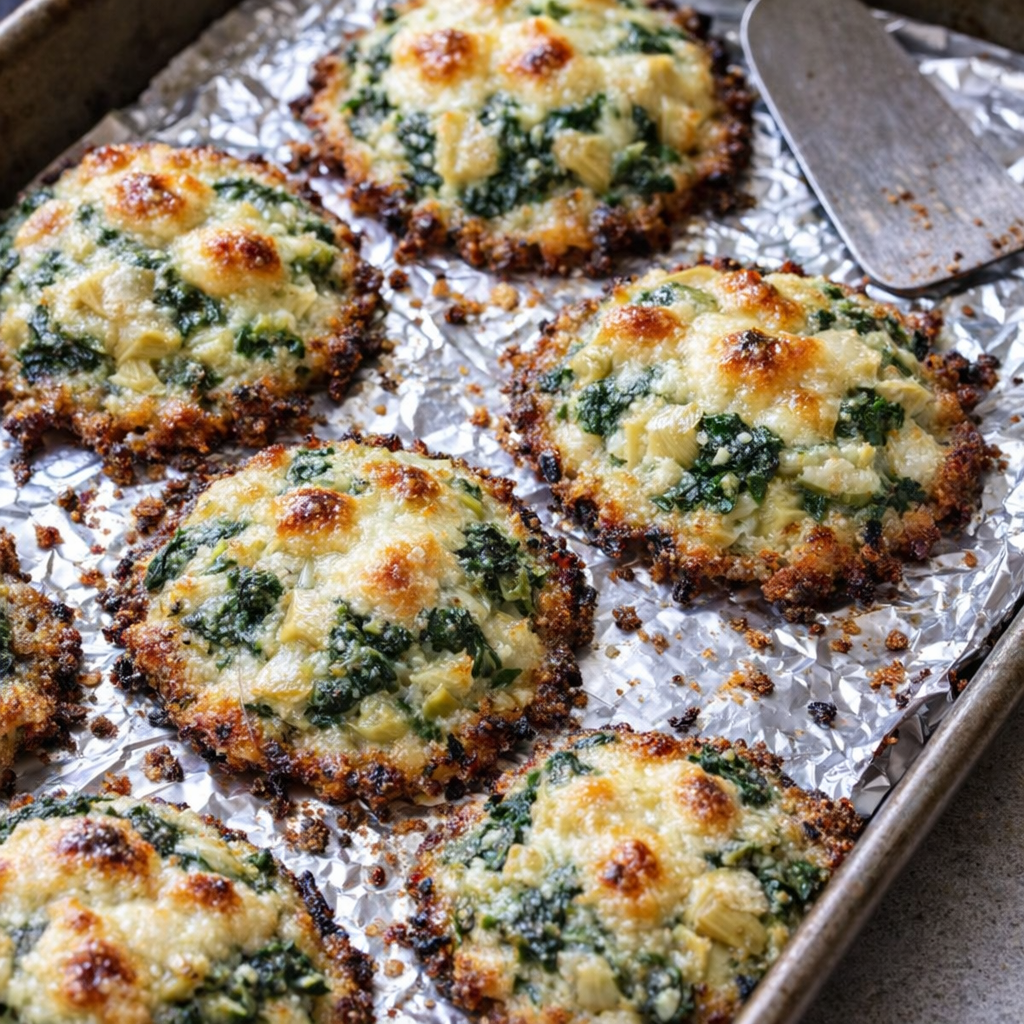
 These Low Carb 3-Ingredient Spinach Artichoke Bakes were born out of a Sunday brunch at my aunt’s house, when we wanted something that felt light on the plate but still wonderfully rich and comforting. She pulled this together from what she had on hand: frozen spinach, jarred artichokes, and a good melting cheese. The result is a creamy, savory little mouthful that tastes like the center of a spinach-artichoke dip, but in tidy, golden baked mounds. With only three ingredients and a quick bake, they’re perfect for brunch, appetizers, or a simple low-carb snack.

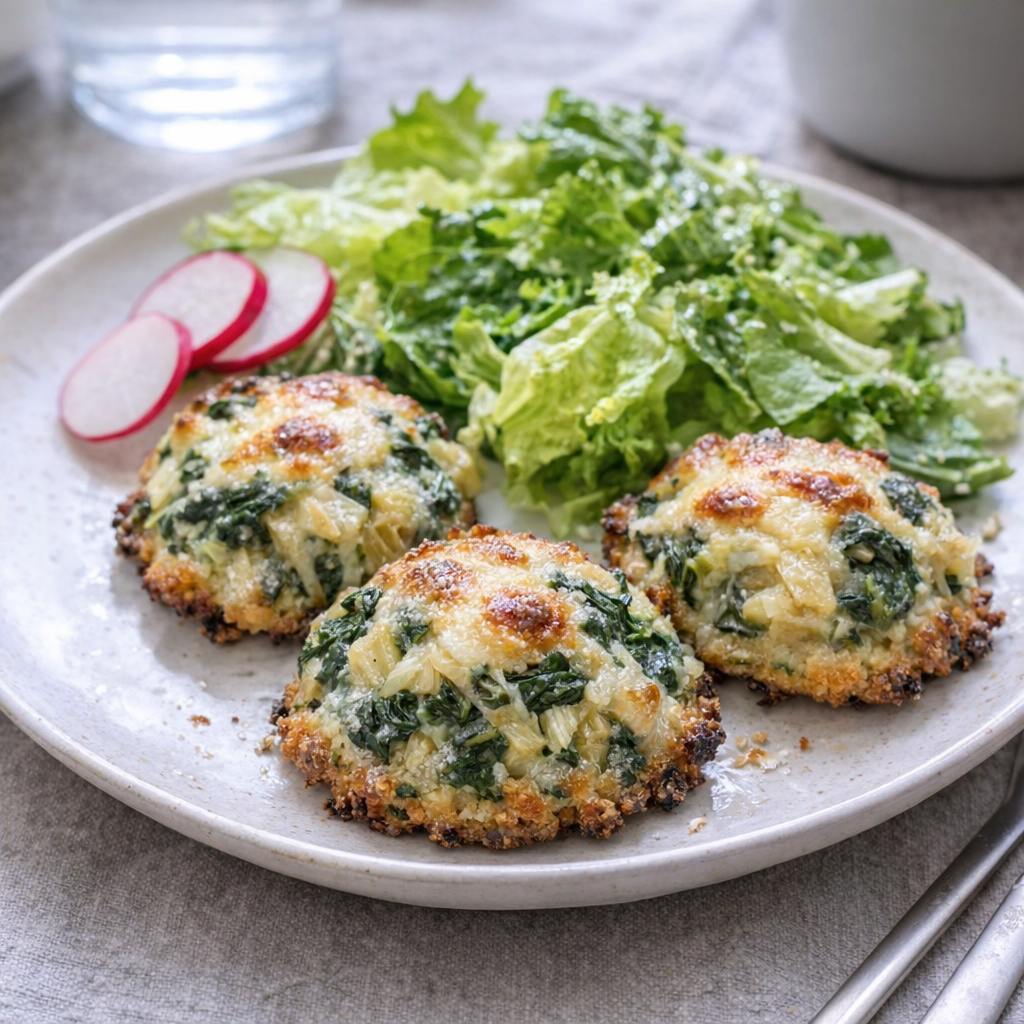
Freshly baked spinach artichoke bites on a tray

Serve these warm, straight from the baking tray, with a simple green salad dressed in lemon and olive oil to balance the richness. They pair nicely with scrambled or poached eggs at brunch, or alongside roasted asparagus or tomatoes for a light supper. For entertaining, offer them as finger food with toothpicks, next to a crisp white wine or sparkling water with citrus. Because they’re rich and creamy, keep the rest of the plate fresh and bright—think sliced cucumbers, radishes, or a tangy slaw.

Low Carb Spinach Artichoke Bakes

Servings: 12 small bakes (about 4 servings)


Ingredients

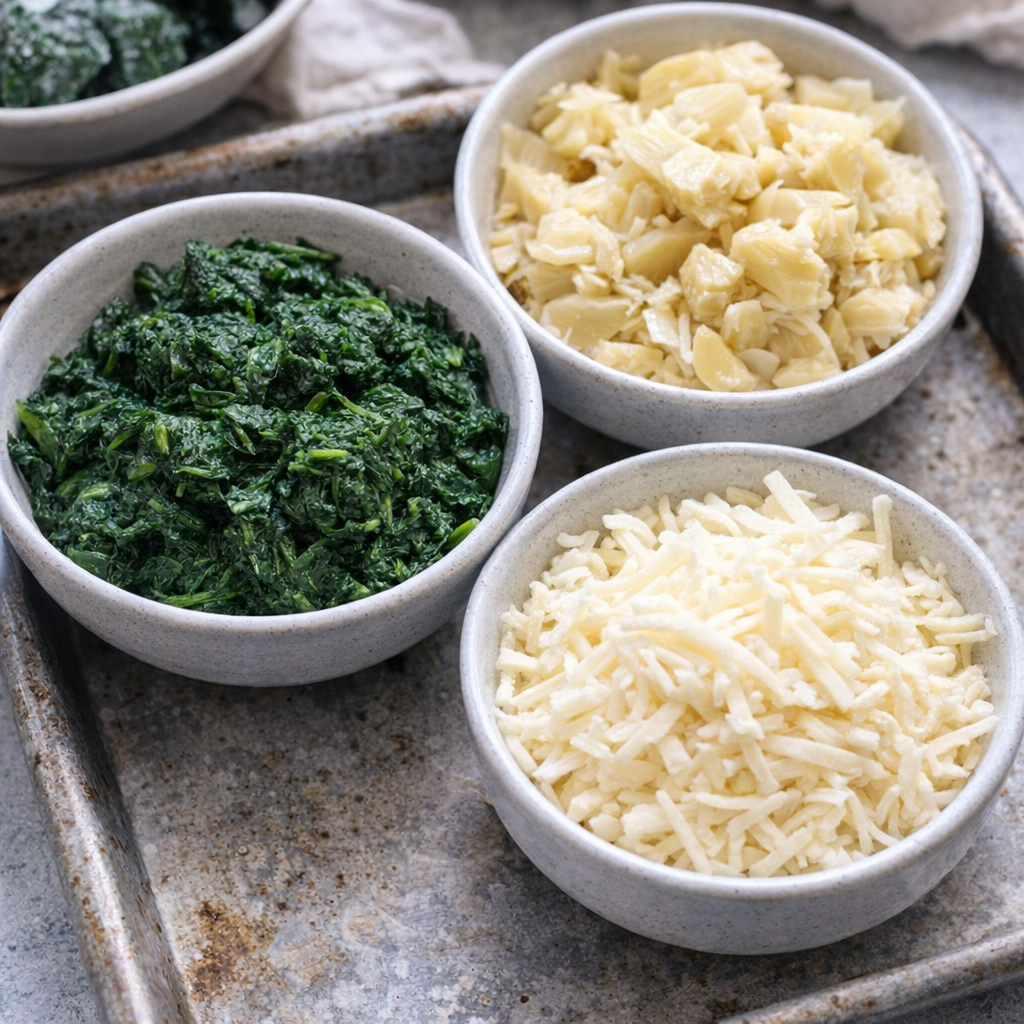
1 cup finely chopped cooked spinach, squeezed very dry (from frozen or fresh, packed)
1 cup finely chopped canned or jarred artichoke hearts, well drained and patted dry
1 1/2 cups shredded full-fat melting cheese (such as mozzarella, Monterey Jack, or a mild white cheddar), lightly packed

Three main ingredients arranged in prep bowls

Directions

Preheat your oven to 375°F (190°C). Line a baking sheet with aluminum foil for easy cleanup, then lightly grease the foil with a little oil or nonstick spray so the bakes release cleanly.

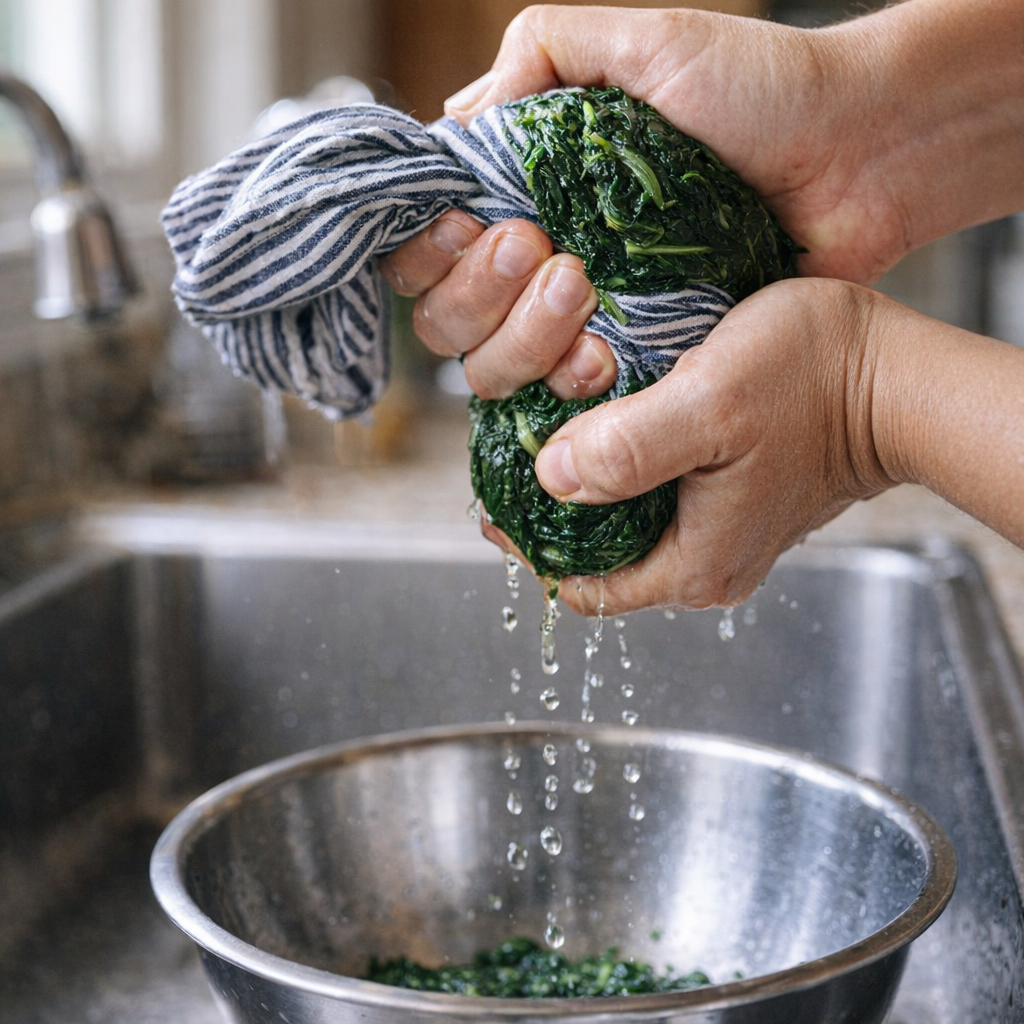
Prepare the spinach: If using frozen spinach, thaw completely, then wrap it in a clean kitchen towel or several layers of paper towel and squeeze very firmly over the sink to remove as much moisture as possible. If using fresh spinach, quickly sauté it in a dry skillet until wilted, let cool, then chop finely and squeeze dry in the same way. You want it very dry so the bakes stay creamy instead of watery.

Cook squeezing moisture from spinach in a kitchen towel

Prepare the artichokes: Drain the canned or jarred artichoke hearts very well. Pat them dry with paper towels, then chop them into small pieces about the size of peas or slightly larger. Removing excess moisture here also helps the bakes hold together and brown nicely around the edges.

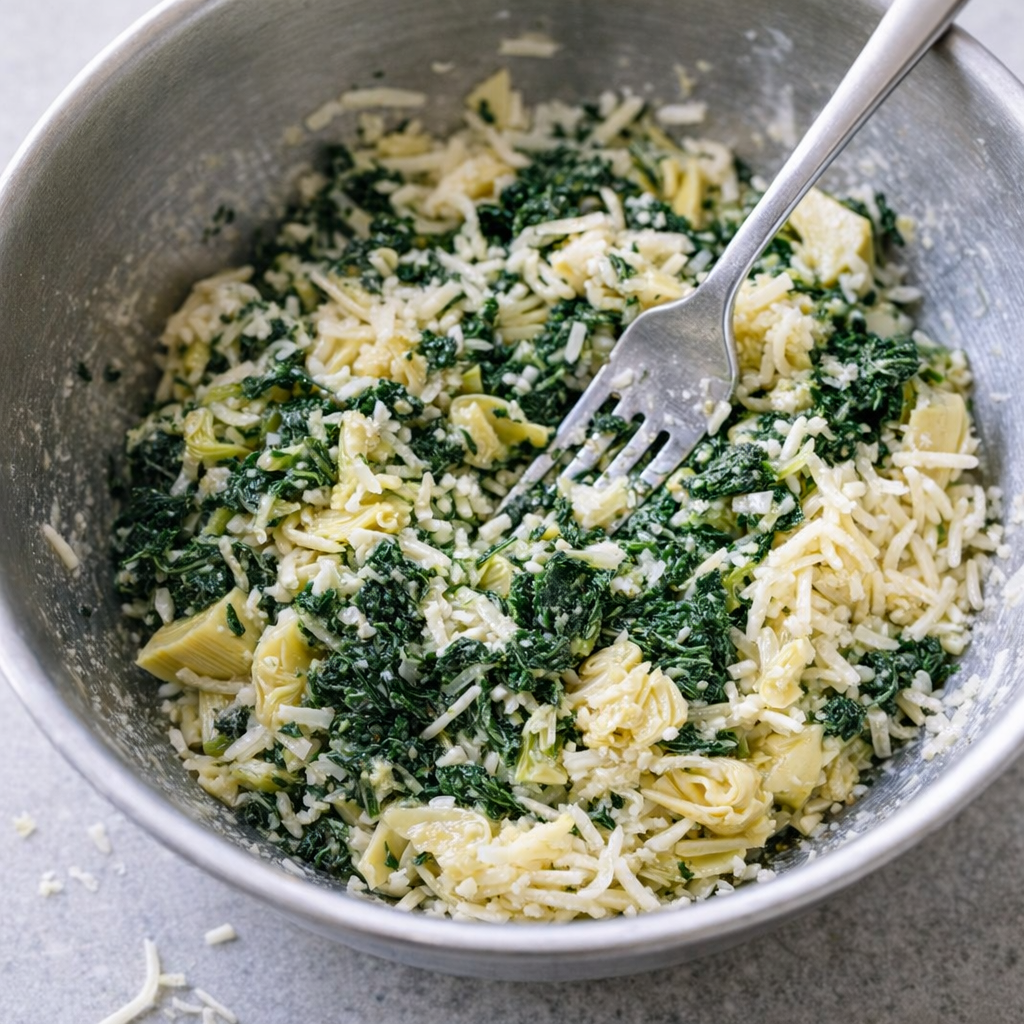
In a medium mixing bowl, combine the squeezed-dry spinach, chopped artichoke hearts, and shredded cheese. Use a fork or your hands to mix thoroughly until the ingredients are evenly distributed and the cheese starts to clump everything together into a thick, sticky mixture.

Spinach artichoke mixture being combined in a bowl

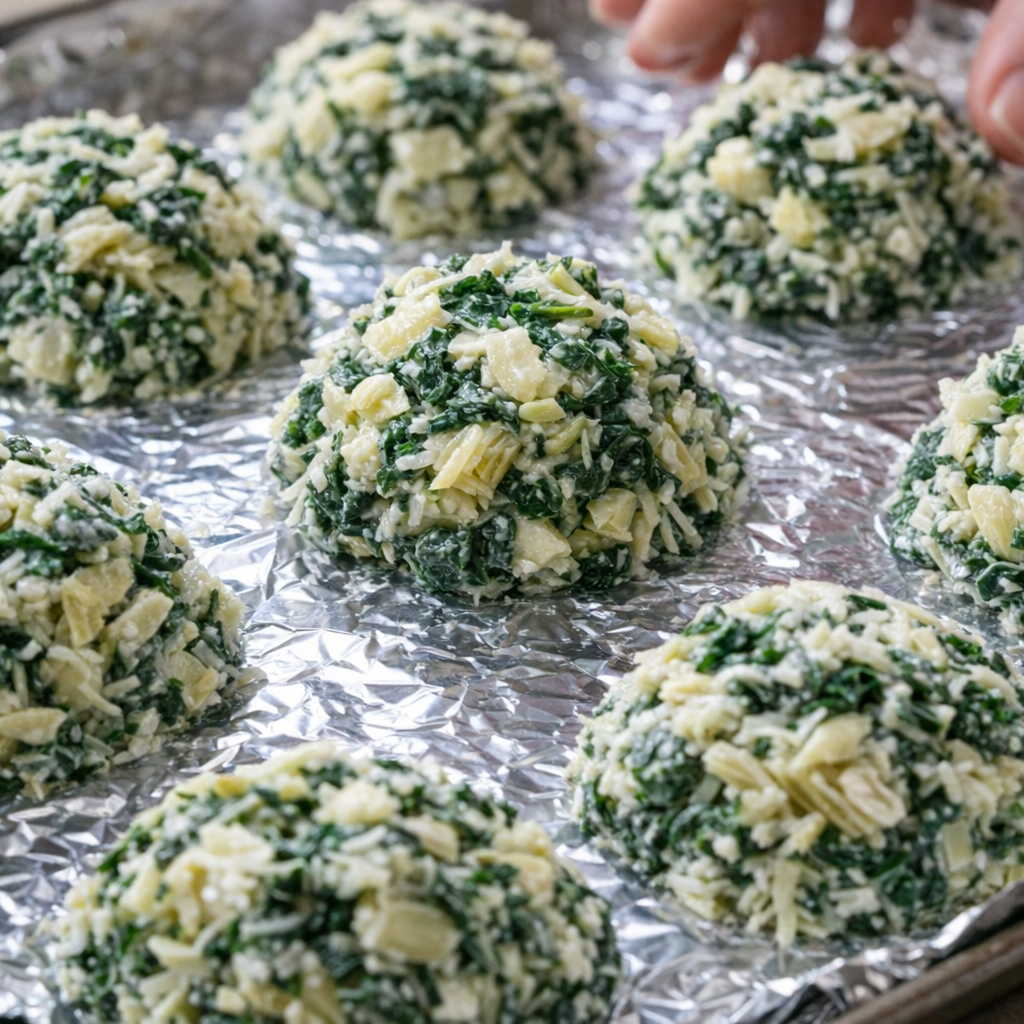
Scoop heaping tablespoonfuls of the mixture onto the prepared foil-lined baking sheet, spacing them about 1 to 2 inches apart. Use your fingers to press and shape each scoop into a compact mound or slightly flattened dome, making sure there are no loose bits that could burn. Each mound should be about 1 1/2 inches wide.

Bake in the preheated oven for 14 to 18 minutes, or until the bakes are melted through, the edges are deeply golden and crisp, and the tops have small browned spots. Ovens vary, so start checking around 12 minutes and let them go a bit longer if you want extra-crispy edges.

Unbaked spinach artichoke mounds arranged on a baking sheet

Remove the tray from the oven and let the bakes sit on the foil for 5 minutes to firm up slightly; they will be very soft right out of the oven. Then gently loosen each mound with a thin spatula and transfer to a serving plate. Serve warm, while the centers are still creamy and the edges are pleasantly crisp.

Variations & Tips

For a sharper flavor, use a mix of cheeses—half mozzarella for melt and half grated Parmesan or aged cheddar for a nuttier, saltier edge. You can also use a smoked cheese for a subtle smoky note that pairs well with the earthiness of spinach. If you like a little heat, stir in a pinch of red pepper flakes or a few drops of hot sauce before baking; this technically adds an extra ingredient, but it won’t change the structure of the recipe. To keep the recipe strictly three-ingredient, rely on a more assertive cheese like sharp white cheddar or pepper jack for built-in seasoning.

Spinach artichoke bakes plated with a simple brunch spread

For a slightly fluffier texture that still feels rich, you can fold in one beaten egg to the mixture—this helps the bakes set more firmly and is helpful if your spinach or artichokes were a bit damp. These also reheat well: store leftovers in an airtight container in the refrigerator for up to 3 days and rewarm on a foil-lined tray at 350°F (175°C) until hot.

Food safety notes: Always cool the bakes slightly before eating, as the centers can be very hot and may burn your mouth. If using canned or jarred artichokes, keep them refrigerated after opening and use clean utensils to avoid contamination. Make sure frozen spinach is fully thawed so you can squeeze out excess liquid; any remaining ice crystals can create steam pockets and uneven cooking. Discard any spinach or artichokes that smell off or appear slimy before use.

Top Ad 728x90