Top Ad 728x90

Monday, May 4, 2026

My dad showed me how

by


 My dad showed me how to make these little foil packet meals back when money was tight and we needed supper to stretch without feeling skimpy. He called them hobo dinners, and they were our way of turning a pound or two of ground beef and a few vegetables into individual feasts. This slow cooker version keeps the same spirit: just four simple ingredients, tucked into their own little trays, and cooked low and slow until the potatoes are soft, the carrots are tender, and the beef is perfectly juicy. It’s the kind of practical, no-fuss Midwestern cooking that fills the house with good smells and the table with comfort.
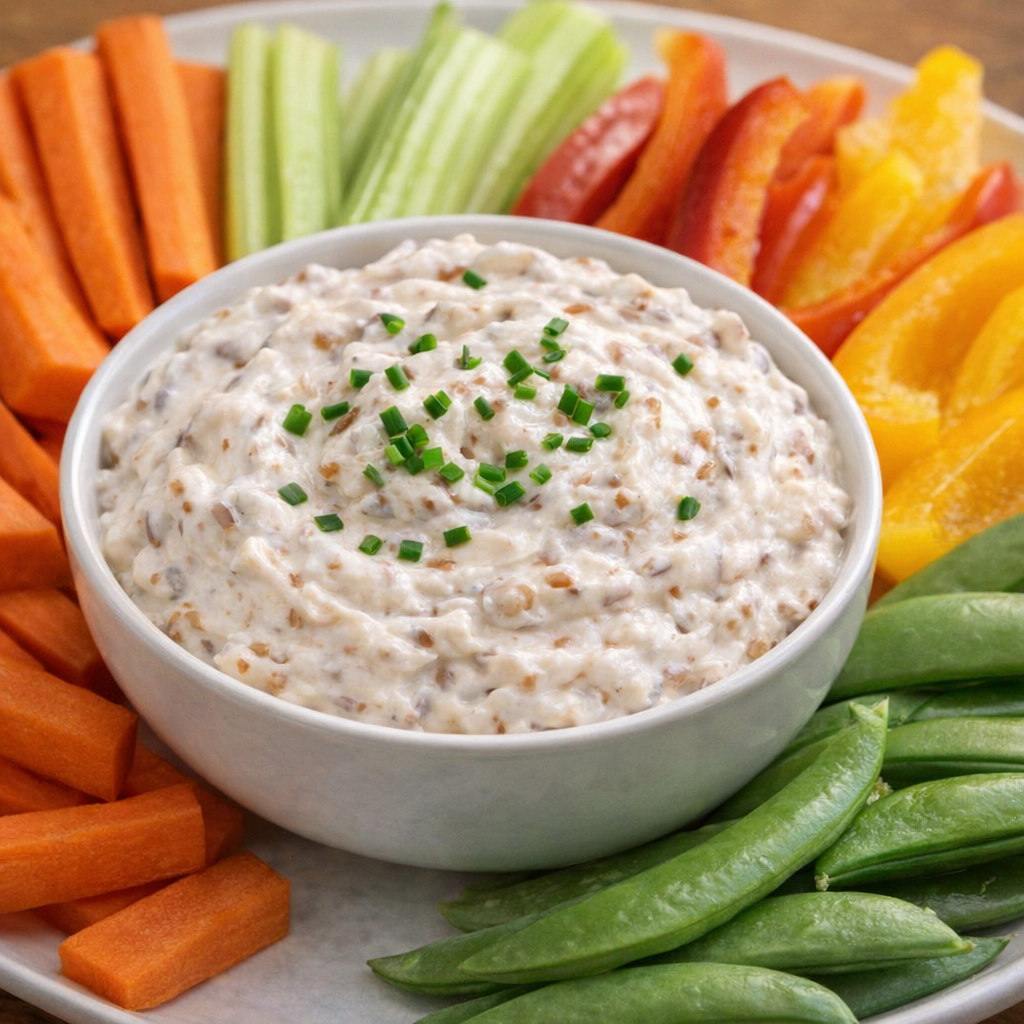
Foil tray hobo dinners on a rustic kitchen table

These hobo dinners are a meal in themselves, but I like to round them out with something cool and crisp, like a simple lettuce salad or sliced cucumbers in vinegar. A basket of warm bread or dinner rolls is handy for soaking up the rich brown juices that collect in the foil trays. If you want to stretch things for a bigger crowd, serve with buttered peas or green beans on the side and finish with something homey for dessert, like applesauce or a pan of brownies.

Slow Cooker 4-Ingredient Hobo Dinners

Servings: 4


Ingredients

1 1/2 pounds lean ground beef

4 medium russet potatoes, peeled and thinly sliced
3 large carrots, peeled and thinly sliced
1 (1-ounce) packet dry onion soup mix

Simple hobo dinner ingredients laid out on a counter

Directions

Tear 4 large sheets of heavy-duty aluminum foil, each about 12x18 inches. Gently press each sheet down into a shallow, individual foil tray shape with raised sides so juices will stay contained. Set the trays aside.

Peel the potatoes and slice them into thin rounds, about 1/8 to 1/4 inch thick. Peel the carrots and slice them into thin coins. Keeping the slices fairly even helps everything cook at the same pace and get tender.

Sliced potatoes and carrots on a cutting board

Divide the sliced potatoes evenly among the 4 foil trays, spreading them out in a single layer or slightly overlapping. Top the potatoes in each tray with an even layer of sliced carrots. These vegetables will sit under the meat and soak up all the flavorful juices as they cook.

Place the ground beef in a bowl and sprinkle the dry onion soup mix evenly over the top. Use your hands to gently mix until the seasoning is worked through the meat, but don’t overmix or the patties can turn out dense.

Seasoned ground beef being mixed in a bowl

Divide the seasoned ground beef into 4 equal portions. Shape each portion into a thick, flat patty about the size of your palm, then lay one patty on top of the vegetables in each foil tray. Press lightly so the patty rests firmly on the potatoes and carrots but still holds its shape.
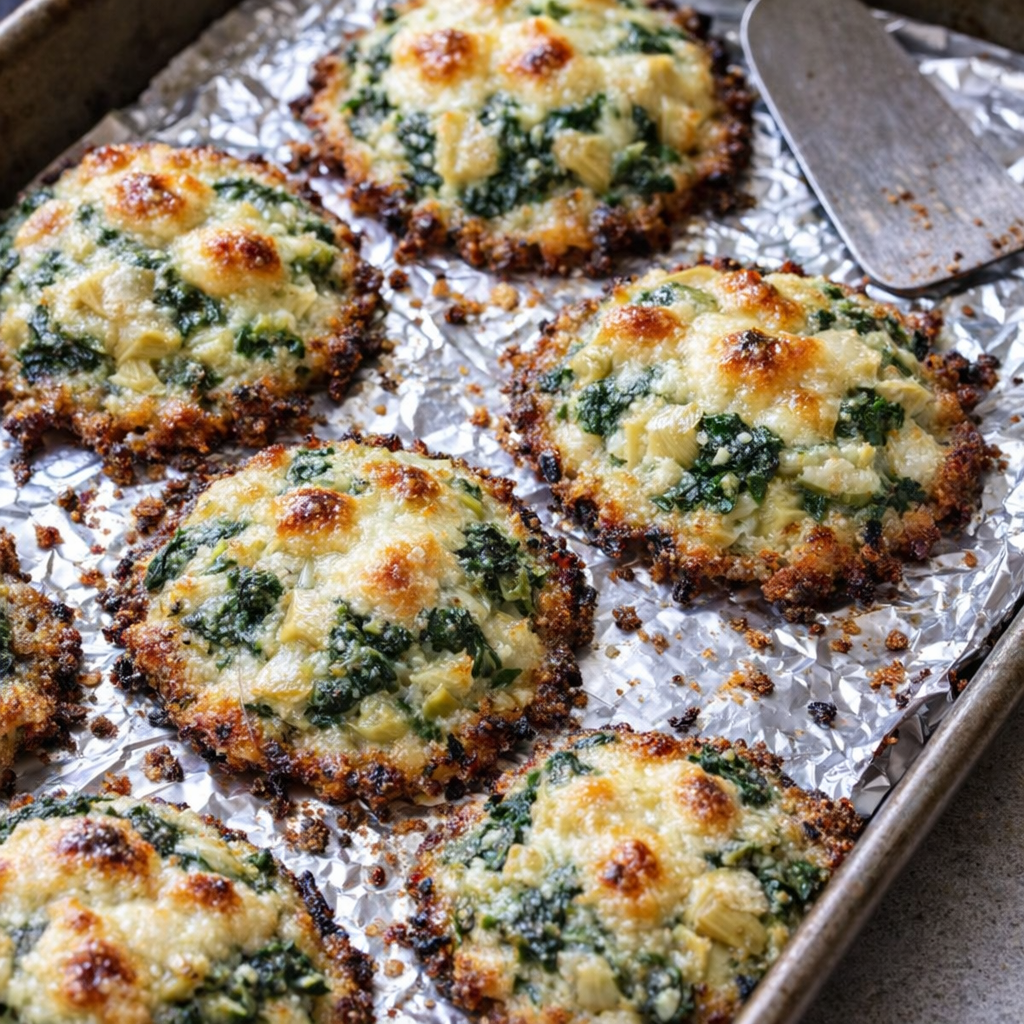
Bring the sides of each foil tray up slightly to make sure there are no tears or gaps along the bottom or corners. You want a shallow tray shape, not a tightly wrapped packet, so steam can rise but the juices stay mostly contained around each portion.

Assembled foil trays ready for the slow cooker

Set the foil trays side by side in the bottom of a large slow cooker, arranging them in a single layer as best you can. It’s fine if the trays touch or overlap a bit, as long as they sit mostly flat so the juices don’t spill out.

Cover the slow cooker with the lid and cook the hobo dinners on LOW for 6 to 7 hours, or on HIGH for 3 1/2 to 4 hours. They’re done when the potatoes and carrots are very tender and the beef patties are cooked through and no longer pink in the center.

Foil dinners tucked inside a slow cooker

Carefully lift the hot foil trays out of the slow cooker using tongs or a wide spatula, supporting the bottom so the rich brown juices don’t spill. Set each tray on a plate. Serve the hobo dinners right in their foil trays so everyone gets their own individual feast of beef, soft translucent potatoes, sweet carrots, and savory juices.

Let the trays cool for a minute or two before digging in, as the steam can be quite hot. Spoon some of the cooking juices over the top of the patties and vegetables just before serving for extra flavor.

Cooked hobo dinner with beef, potatoes, and carrots

Variations & Tips

If you’d like to stretch the meal a bit further without adding more ingredients, you can make the patties slightly smaller and pile a few extra potato and carrot slices into each tray. For richer flavor, use 80/20 ground beef; for a leaner version, use 90% lean and know you’ll have a bit less juice. If you don’t have heavy-duty foil, double-layer regular foil to keep the trays sturdy and prevent leaks.

You can also swap in Yukon Gold potatoes for russets if that’s what you have on hand; they hold their shape nicely and turn wonderfully creamy. To prep ahead, assemble the foil trays in the morning, cover, and refrigerate the slow cooker insert (if your manufacturer allows) or store the trays on a baking sheet in the fridge, then start cooking later in the day. Leftovers reheat well right in their foil trays in a low oven or can be broken up and fried in a skillet the next morning with an egg on top for a hearty breakfast

My grandpa swore by this

by


 This slow cooker 4-ingredient slumgullion is my take on the kind of hearty, no-fuss meal my grandpa swore by during the Depression era. It uses just four humble pantry staples—ground beef, onion, tomato sauce, and elbow macaroni—but somehow turns into the most comforting pot of food.

Everything simmers low and slow in the crockpot, filling the house with that cozy, old-fashioned smell that makes everyone wander into the kitchen asking when dinner is ready. It’s budget-friendly, kid-approved, and perfect for those nights when you want something warm and filling without fussing over a long ingredient list.

Slow cooker slumgullion bubbling in a crockpot

Serve this slumgullion straight from the slow cooker into bowls with a sprinkle of black pepper or a little grated cheese if you have it on hand. A simple green salad or some steamed frozen veggies on the side rounds out the meal without adding much cost or effort.

Buttered toast, cornbread, or even plain saltine crackers are great for soaking up the extra tomatoey juices. It also reheats well for lunches the next day, so you can pack it up in thermoses for an easy, comforting meal on the go.

Slow Cooker 4-Ingredient Slumgullion

Servings: 6

Ingredients
1 1/2 pounds ground beef (80–90% lean)
1 large yellow onion, diced
2 cans (15 ounces each) tomato sauce
2 cups dry elbow macaroni
1 teaspoon salt (optional, to taste)
1/2 teaspoon black pepper (optional, to taste)
1 cup water (optional, as needed for desired consistency)
Directions
Brown the beef: In a large skillet over medium heat, crumble and cook the ground beef until well browned and no pink remains, about 8–10 minutes. If there is a lot of grease, carefully spoon off most of it, leaving just a little for flavor.
Ground beef and onions browning in a skillet
Soften the onion: Add the diced onion to the skillet with the browned beef. Cook, stirring often, for 3–5 minutes, just until the onion starts to soften and pick up some color.
Load the slow cooker: Transfer the beef and onion mixture to the slow cooker crock. Pour in the tomato sauce and stir everything together. If you like a looser, saucier slumgullion, stir in up to 1 cup of water.
Season: Sprinkle in the salt and black pepper if using, and stir again. Taste the sauce (careful, it will be hot) and adjust the seasoning if needed, remembering the flavors will deepen as it cooks.
Slow cook the base: Cover the slow cooker and cook the beef, onion, and tomato sauce mixture on LOW for 4–5 hours or on HIGH for 2–3 hours. This gives the flavors time to meld and the onions to become very tender.
Tomato sauce and beef mixture in a slow cooker
Add the macaroni: About 30–40 minutes before you want to eat, stir in the dry elbow macaroni, making sure the noodles are pushed down into the sauce so they can soak up the liquid and cook evenly. If the mixture seems very thick, add a splash more water so the pasta can soften properly.
Finish cooking: Cover again and cook on HIGH for 25–35 minutes, stirring once halfway through, until the macaroni is tender but not mushy. The mixture should be thick, saucy, and bubbling, with the pasta coated in the rich red tomato sauce.
Serve: Give everything a final stir, taste, and adjust seasoning if needed. Ladle the hot slumgullion straight from the slow cooker into bowls and serve while it’s steaming and cozy.
Variations & Tips

To keep this true to that Depression-era, four-ingredient spirit, I stick to ground beef, onion, tomato sauce, and elbow macaroni as the core of the recipe. The salt, pepper, and water are just basic pantry helpers you can add or skip.

Bowl of slumgullion served for dinner

If you want to stretch it a bit further or suit picky eaters, there are a few easy tweaks. For kids who don’t love onion texture, dice the onion very finely or even grate it so it melts into the sauce but still adds flavor. You can also swap the elbow macaroni for any small pasta you have on hand, like shells or rotini, though the cooking time may vary slightly—just check for tenderness.

If you’re really watching the budget, use a bit less meat and add a little extra pasta and water to make more servings. For a slightly richer taste, brown the beef deeply so you get those browned bits on the bottom of the pan, then scrape them into the slow cooker.

You can also stir in a small handful of shredded cheese on top of each bowl for those who want it, leaving the main pot nice and simple for everyone else. Leftovers thicken as they sit, so when reheating, add a splash of water and warm gently on the stove or in the microwave, stirring halfway through so it gets saucy and comforting all over again.

My aunt brings these to every spring gathering

by


 My aunt Ruth has been carrying these southern 3-ingredient brown sugar bacon crackers into every spring gathering since I was a young mother setting out card tables in the church basement. They look like something that took all afternoon, with the brown sugar bubbling up around the bacon and turning glossy and sticky over buttery crackers, but the secret is they use only three pantry ingredients and a roll of foil.

This is the kind of recipe that grew out of potluck culture in the rural Midwest and South—simple, salty-sweet, and just fancy enough to feel special without fuss. You make a pan, set them out, and watch them disappear while folks stand around the kitchen talking about the weather and planting schedules.

Tray of brown sugar bacon crackers at a spring potluck

Serve these brown sugar bacon crackers warm or at room temperature on a foil-lined platter so you don’t lose a drop of that caramelized glaze. They’re perfect alongside a simple veggie tray, deviled eggs, or a big bowl of potato salad at spring gatherings. A crisp green salad, iced tea, or lemonade balances the richness, and they also pair nicely with a cheese board if you’re putting out snacks before a holiday meal or family cookout.

Southern 3-Ingredient Brown Sugar Bacon Crackers

Servings: 18–24 crackers, depending on cracker size and how you cut the bacon


Ingredients

18–24 buttery rectangular crackers (such as club-style crackers)

8–10 slices thick-cut bacon, cut into thirds or halves to fit crackers
3/4–1 cup packed light brown sugar

Simple ingredients for brown sugar bacon crackers on a farmhouse counter

Directions

Preheat your oven to 275°F (135°C). Line a rimmed baking sheet completely with aluminum foil, letting it come up the sides so it catches all the bubbling sugar and bacon drippings. For extra insurance against sticking, you can place a wire rack on top of the foil-lined pan, but it’s optional.

Lay the buttery rectangular crackers in a single, tight layer on the foil-lined baking sheet. They should be touching but not overlapping so they form a solid base for the bacon and brown sugar.

Crackers lined up on a foil-lined baking sheet

Cut the thick-cut bacon into pieces that will fit neatly on top of each cracker, either in halves or thirds depending on the size of your crackers. Place one piece of bacon on top of each cracker, making sure the bacon doesn’t hang too far over the edges so it cooks evenly and doesn’t burn.

Sprinkle a generous spoonful of packed brown sugar over the top of each bacon-topped cracker, pressing it lightly with your fingers so it adheres to the bacon. You want the bacon well-covered so it can caramelize in the oven and bubble down over the crackers.

Hands sprinkling brown sugar over bacon-topped crackers

Place the baking sheet on the middle rack of the preheated oven. Bake for 40–60 minutes, or until the bacon is cooked through, the brown sugar is melted and bubbling, and the crackers are a deep golden color.

The exact time will depend on your oven and the thickness of your bacon; start checking around 40 minutes and continue baking until the bacon looks crisp and the sugar looks syrupy and glossy.

Bacon crackers baking until glossy and caramelized

Remove the pan from the oven and let the crackers cool on the foil-lined sheet for about 10–15 minutes. The brown sugar will be very hot and sticky right out of the oven, but it will thicken and set a bit as it cools, clinging to the bacon and crackers.

Once the crackers have firmed up enough to handle, gently loosen them from the foil with a thin spatula and transfer them to a fresh piece of foil or a foil-lined serving platter. Arrange them close together so any stray caramelized sugar stays with the crackers.

Freshly baked bacon crackers being lifted from the foil

Serve warm or at room temperature. If you make them ahead, let them cool completely, then store in a single layer or with parchment between layers in an airtight container in the refrigerator. Rewarm briefly in a low oven (around 250°F) to re-crisp before serving.

Variations & Tips

You can play with this three-ingredient idea while keeping the spirit of the recipe. For a slightly spicier version, mix a pinch of cayenne pepper or crushed red pepper flakes into the brown sugar before sprinkling it over the bacon; it doesn’t add another ingredient on the tray, but it changes the personality of the dish. If you prefer a smokier flavor, use a heavily smoked thick-cut bacon.

Finished bacon crackers served on foil with iced tea nearby

For a bit more crunch, bake the crackers on a wire rack set over the foil-lined pan so the drippings fall through and the bacon crisps all around, but still let them finish cooling on the foil so the caramelized sugar clings to the bottoms. If your crackers seem to be browning too quickly before the bacon is fully cooked, lower your oven temperature by 25°F and continue baking until the bacon is done; slow, gentle heat helps the sugar caramelize without burning.

Food safety tips: Always wash your hands, cutting board, and knife thoroughly after handling raw bacon. Keep the bacon refrigerated until you’re ready to assemble the crackers, and don’t leave the finished crackers out at room temperature for more than 2 hours, especially at warm outdoor gatherings. If you’re transporting them to a potluck, cool them completely, store them in the refrigerator, and carry them in an insulated bag or cooler if the weather is warm, then rewarm briefly in the oven at your destination if possible.

My aunt brings this to every Sunday

by


 This southern 3-ingredient peach cobbler is the kind of dessert that shows up at every family gathering and disappears before anyone can politely pretend to wait. It’s based on an old Southern ‘dump cobbler’ style recipe that relies on pantry staples rather than fussy technique: canned peaches, a boxed cake mix, and butter. The result is a bubbling, golden-topped cobbler with caramelized peach juices peeking through the crust—comforting, familiar, and almost embarrassingly easy for how quickly the pan gets scraped clean.

Serve this cobbler warm, straight from the glass casserole dish, with a scoop of vanilla ice cream or a spoonful of lightly sweetened whipped cream so it melts into the hot, syrupy peaches. A cup of coffee or black tea balances the sweetness nicely, while a small glass of cold milk is perfect if you’re serving kids. If you’re making a bigger Sunday spread, pair it with simple, classic mains—roast chicken, meatloaf, or baked ham—and a couple of vegetable sides so the cobbler can shine as the nostalgic, just-like-auntie-made-it finish to the meal.
Southern 3-Ingredient Peach Cobbler
Servings: 8-10

Ingredients
2 cans (29 ounces each) sliced peaches in heavy syrup, undrained
1 box (15.25 ounces) yellow cake mix
1 cup (2 sticks, 226 grams) unsalted butter, melted
Directions
Preheat your oven to 350°F (175°C). Place a 9x13-inch glass casserole dish on the counter so it’s ready for layering.
Pour both cans of peaches with all of their syrup directly into the glass casserole dish. Use a spoon to spread the peaches into an even layer so every bite gets some fruit.
Sprinkle the dry yellow cake mix evenly over the peaches. Do not stir. Gently shake the dish back and forth to help the cake mix settle into an even layer over the fruit.
Slowly drizzle the melted butter over the entire surface of the dry cake mix, aiming to moisten as much of the top as possible. It’s fine if a few dry spots remain; they’ll still brown and crisp in the oven.
Place the casserole dish on the center rack of the preheated oven and bake for 40–50 minutes, or until the top is deeply golden and the peach juices are bubbling thickly around the edges and through a few cracks in the crust.
Remove the cobbler from the oven and let it rest for at least 10–15 minutes. This short cooling time allows the hot juices to thicken slightly so they’re syrupy instead of runny when you scoop.
Serve the cobbler warm, scooping down through the buttery crust to pull up plenty of peaches and syrup with each portion.
Variations & Tips
If you prefer a slightly less sweet cobbler, substitute one can of peaches in heavy syrup with a can of peaches in juice, still undrained, to keep the moisture balance right. For a more tart, nuanced flavor, you can stir a teaspoon of lemon juice into the peaches before adding the cake mix—this technically adds an extra ingredient but doesn’t change the core 3-ingredient method. A white or butter-flavor cake mix can be swapped in for yellow; white will taste a bit lighter, while butter cake mix gives more richness. If your family loves extra texture, you can lightly crush a handful of pecans and scatter them over the top along with the melted butter for a Southern nutty crunch. To make smaller servings for a potluck, divide the peaches, cake mix, and butter among individual glass ramekins and bake on a sheet pan, reducing the baking time slightly and watching for the same visual cues: golden top and bubbling juices. Leftovers reheat well in a low oven until warm and bubbly again; avoid the microwave if you want to keep the top a bit crisp.

My grandma stretched every dollar with this simple creamy dish

by


 This slow cooker 3-ingredient canned pea macaroni is the kind of creamy, thrifty dish my grandma leaned on when money was tight and the pantry looked bare. Out here in the rural Midwest, she could always count on a box of elbow macaroni, a can of peas, and a bit of butter to turn into something warm, filling, and gentle on the stomach.


Vintage-style bowl of creamy pea macaroni on a farmhouse table

The slow cooker gives it that soft, cozy texture that tastes like it’s been watched over all afternoon, even though it mostly takes care of itself. It’s not fancy, just simple comfort that stretches every dollar and somehow still feels like a hug in a bowl.

Serve this creamy pea macaroni straight from the slow cooker into warm bowls with a generous grind of black pepper on top if you like. It pairs well with sliced fresh tomatoes or a simple green salad to brighten up the plate.


Slow cooker filled with creamy pea macaroni ready to serve

For a heartier meal, you can set it alongside leftover roast chicken, meatloaf, or ham. A slice of buttered white bread or a warm dinner roll on the side fits the old-fashioned Midwestern table perfectly and helps soak up every last bit of that buttery sauce.

Slow Cooker Canned Pea Macaroni

Servings: 4


Ingredients
2 cups dry elbow macaroni
2 cups water
2 cans (15 ounces each) peas, undrained
1/2 cup (1 stick) unsalted butter, cut into pieces
1 teaspoon salt, or to taste
1/2 teaspoon black pepper, optional, to taste
Directions
Lightly grease the inside of a small slow cooker (about 3 to 4 quarts) with a bit of butter to help keep the macaroni from sticking.
Pour the dry elbow macaroni into the slow cooker and spread it into an even layer.

Dry macaroni and canned peas gathered for the recipe
Add the canned peas with all their liquid over the macaroni, then pour in the water. Stir gently so the pasta is mostly submerged in the liquid.
Scatter the pieces of butter over the top. Sprinkle with salt and, if you like, a little black pepper.
Cover the slow cooker with the lid and cook on LOW for 1 1/2 to 2 hours, stirring once or twice during cooking, until the macaroni is very tender and the peas are soft and creamy.

Butter melting over pea macaroni in the slow cooker
When the macaroni is done, give everything a good stir. The peas will break up a bit and blend with the butter and starch from the pasta to make a pale green, glossy sauce that coats every noodle.
Taste and adjust the seasoning with a bit more salt or pepper if needed. Serve warm right from the slow cooker, and keep it on the WARM setting for second helpings.
Variations & Tips

To keep the spirit of this budget-friendly, three-ingredient dish, think of extras as optional little comforts rather than necessities. If you like a richer sauce, stir in a splash of milk or a spoonful of sour cream at the end until it looks as creamy as you remember from childhood. A handful of shredded cheddar or American cheese will melt into the hot pasta and turn it into a pea-and-macaroni skillet-style casserole, all in the slow cooker.


Bowl of pea macaroni with black pepper and buttered bread

For more flavor without much cost, add a pinch of garlic powder or onion powder along with the salt, or finish with chopped fresh parsley if you have it in the garden. You can also swap one can of peas for mixed vegetables if that’s what’s in your pantry, though the pure pea version is the most nostalgic. For a little protein, stir in leftover diced ham, cooked crumbled bacon, or shredded rotisserie chicken near the end of cooking so it just warms through.

Food safety tips: Use canned peas that are not expired and with no bulging, rusted, or badly dented cans; if a can hisses or smells off when opened, discard it. Keep the slow cooker covered while cooking to maintain a safe, even temperature, and do not leave the finished dish at room temperature for more than 2 hours. Refrigerate leftovers promptly in shallow containers, and reheat only what you plan to eat until steaming hot before serving.

Top Ad 728x90